

VR Therapy Has Arrived at Scale. Now the UK Needs to Clear the Path.
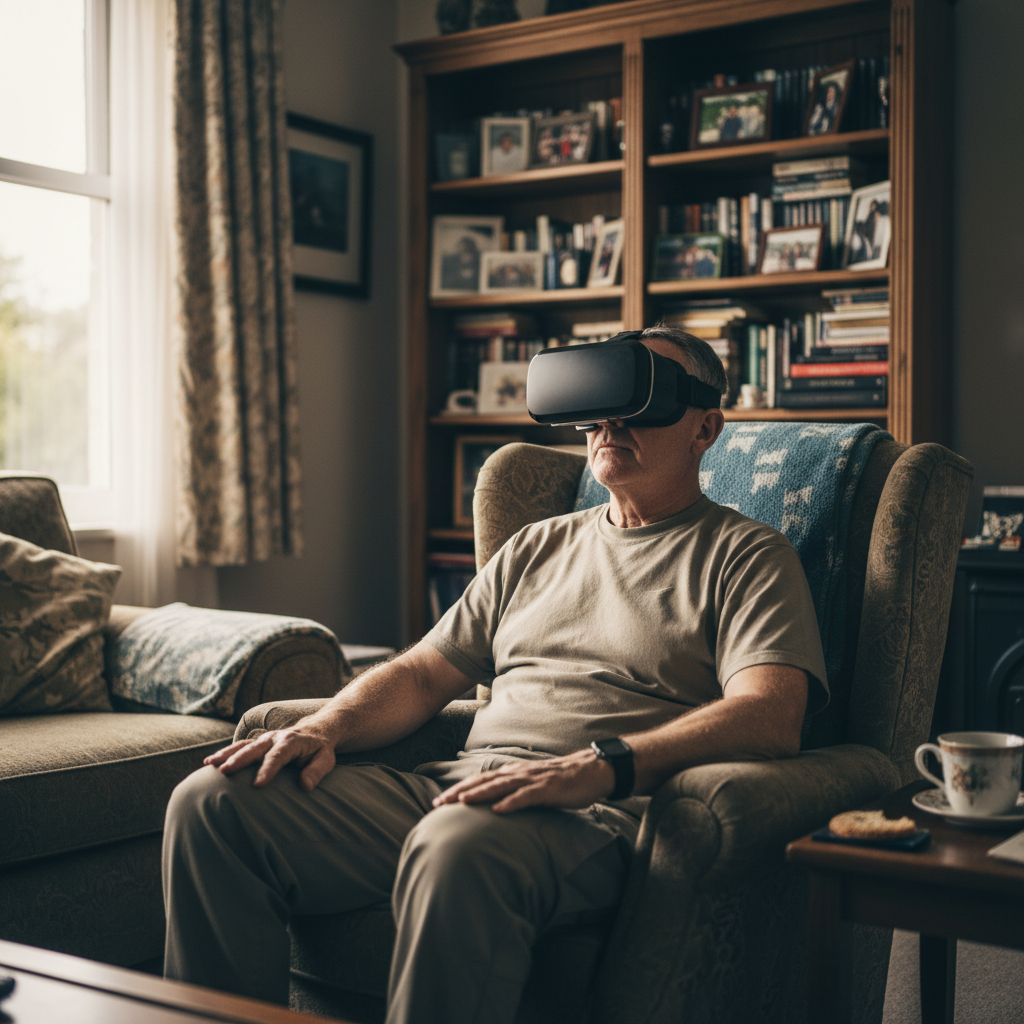
Something shifted in healthcare this month that should matter to everyone working in immersive technology. The US Department of Veterans Affairs has launched the nation’s largest in-home VR mental health programme – and the results are the most compelling real-world proof yet that VR is not just a consumer novelty or a brand experience tool. It is, at the right scale and with the right clinical frameworks, medicine.
What Just Happened
The VA has deployed more than 700 VR kits to veterans’ homes and expanded clinical VR programmes to 45 medical centres across the United States. The programme targets chronic pain, PTSD, anxiety, and isolation – conditions that affect millions of veterans and for which conventional pharmaceutical interventions often carry significant side effects and dependency risks.
The clinical outcomes are striking. Participants report a 46.7% average reduction in pain intensity, a 37.4% reduction in anxiety, and a 34.5% decrease in distress levels. These aren’t lab results. They’re real-world outcomes from the largest integrated healthcare system in the United States.
The NHS is on a similar path in ambition. NHS Supply Chain has published a £210 million procurement pipeline for national medical simulation and immersive technology, with contracts expected to run from 2027 to 2029. Oxford Health’s gameChange – a clinical VR therapy for severe agoraphobia – has received NICE approval. The era of VR as a fringe healthcare experiment is ending.
What We’ve Seen First Hand
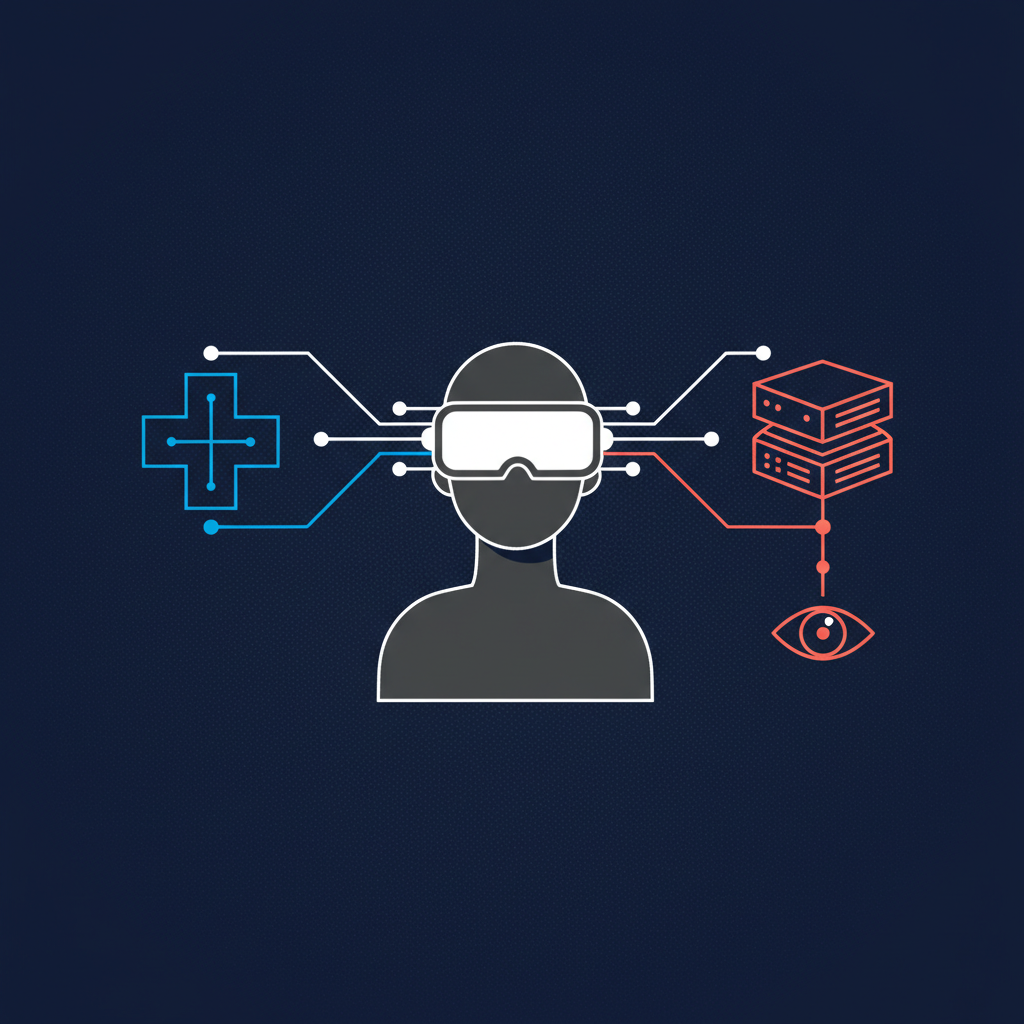
At Visualise, we’ve spent 15 years making immersive experiences. That includes VR experiences to aid recovery from strokes and brain injury, and experiences designed to reduce stress and reconnect people with the natural world. We’ve seen what this technology can do when it reaches the right person at the right moment.
The potential is not in question. The question is how we build the pathway from “proven in research” to “deployed at scale” in the UK – and right now, that pathway has a significant bottleneck.
The Certification Problem
Getting therapeutic VR experiences into formal UK healthcare settings requires navigating medical device certification. For experiences that are clearly clinical – software that directly influences a clinical outcome – this rigour is right and necessary.
The problem is that the same framework is often applied to experiences that sit in a different category: clinically informed, evidence-backed, practitioner-designed wellness and recovery tools that are not medical devices in the traditional sense. The cost of formal MHRA certification – and the time and resource burden of its application – is stopping a significant amount of valuable work from ever reaching patients.
This isn’t an argument for lowering the evidential bar. The evidence base is what makes VR therapy credible, and the industry needs to protect it. But we do need a more proportionate framework: one that distinguishes between a consumer VR game and a clinically-designed therapeutic experience built by practitioners who understand both the technology and the outcomes they’re working towards. One that can say: this is a wellbeing tool, built to clinical standards, and here is the appropriate pathway to deploy it.
The VA’s rollout – and the NHS’s £210m pipeline – show that the appetite is there. The clinical evidence is there. The technology is there. What’s needed now is a regulatory framework that can move at the same pace.
See It in Action
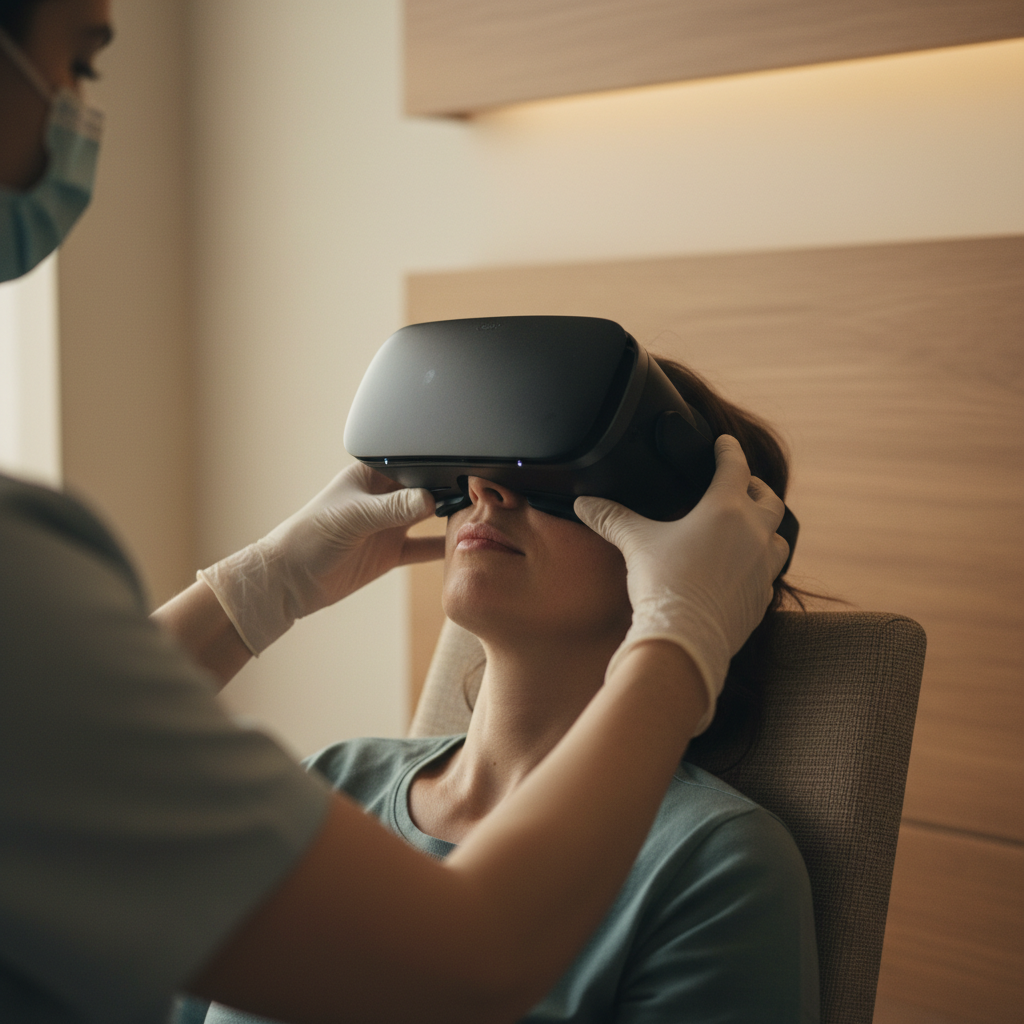
We’ve explored these challenges directly in our work with St John Ambulance, building immersive first aid training experiences that needed to meet both clinical effectiveness standards and practical deployment constraints. Explore our work at visualise.com/work.
If you’re working on therapeutic or training VR applications and want to compare notes on the certification landscape, we’d welcome the conversation. Get in touch at visualise.com/contact.
Comments