

Ukraine and the Growing Use of VR Tech in Modern Warfare
Training, operations, and rehab all benefit when immersive tech is realistic, repeatable, and deployed as part of a hybrid model.
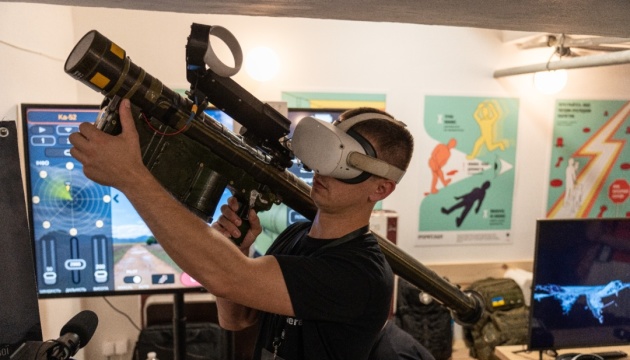
Image courtesy www.ukrinform.net
We have all heard about drones being used extensively in the new generation of warfare tragically in practice over in Ukraine. But one of the technologies that is less discussed is virtual reality. Whether it’s for speeding up and seasoning the training of new recruits, training experienced soldiers in new weapons or rehab and recovery. The Ukranian government and forces are actively encouraging the development of new immersive technologies for immediate deployment. Here we’ll look at a few examples.
Training: compress risk and build mental models
On May 2, 2025, LB . UA profiled The First Battle, a short VR film created by the Ukranian Armed Forces’ Weapons Development and Innovation Unit with Aspichi and the National Academy of the Land Forces. Shot with real actors at a training centre, it puts cadets inside a first-person firefight to prepare for sensory load and decision making. Some veterans reportedly experienced flashbacks, which underlines both the psychological realism and the need for guided facilitation. It is an internal training tool, not a commercial release.
Training is moving beyond films to structured simulators. Kyiv’s Defence Vision Day showcased 24 AR/VR projects for the military, including weapons and first-aid simulators and drone control. At the 242nd Unit Training Centre, recruits start on VR to learn large-calibre weapons and fire adjustment, then graduate to field drills. The pattern is clear: repeat high-risk tasks safely and cheaply in VR, then consolidate skills live. UKRinform
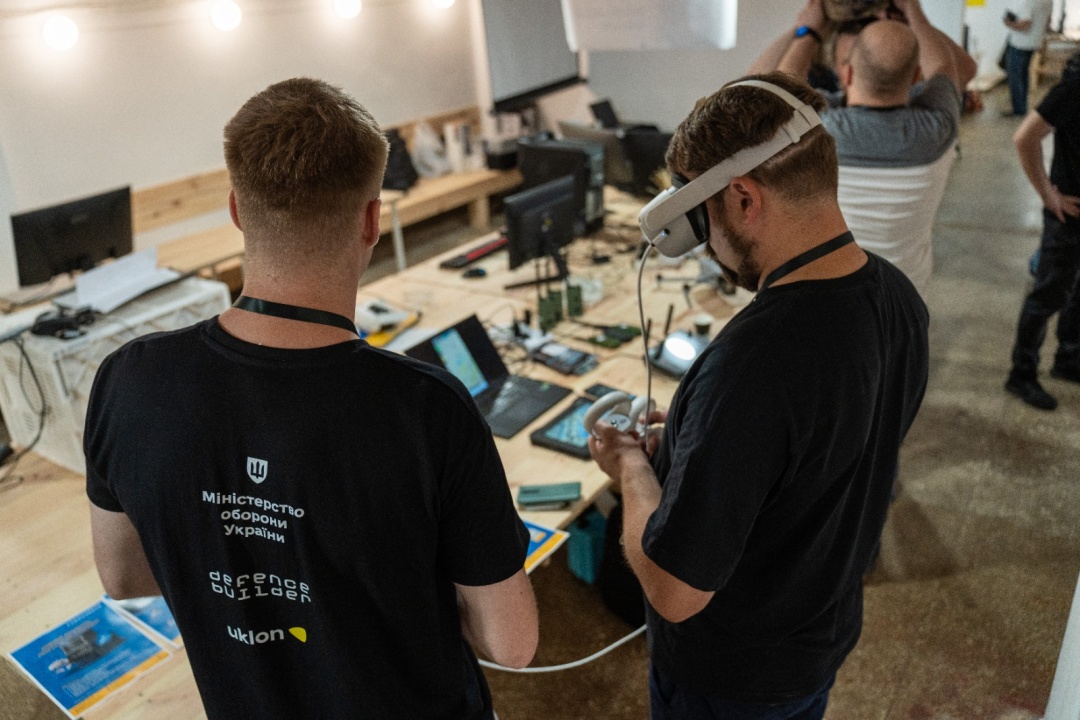
Image courtesy www.ukrinform.net
Rehabilitation and recovery: close the loop
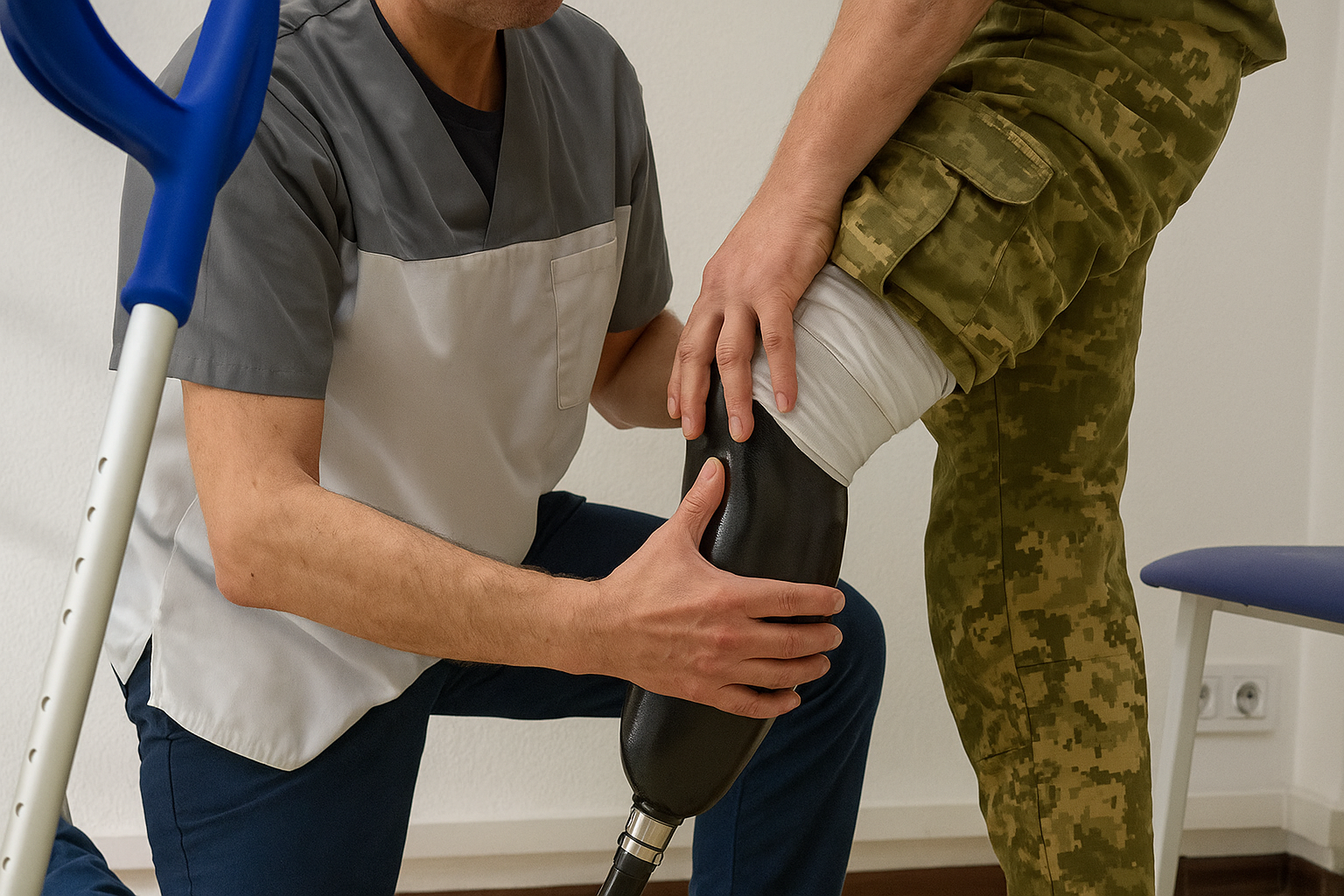
Immersion is also used after contact. Clinics and NGOs in Ukraine are piloting VR-supported therapy for PTSD and pain, while the Re:start program has opened VR rehab spaces in multiple cities for physical and cognitive recovery. This extends the value of the tech across the force lifecycle. The Kyiv Independent+1
Three takeaways
-
Realism needs support. First-person immersion should be paired with facilitation and safeguarding. LB.ua
-
Hybrid is the model. Use VR for safe, repeatable reps; use the range and field for team coordination and muscle memory. Gagadget
-
Deploy like an operator. Treat headsets, hygiene, content updates, and analytics as an equipment program, not a pilot. Ukrinform
Comments