
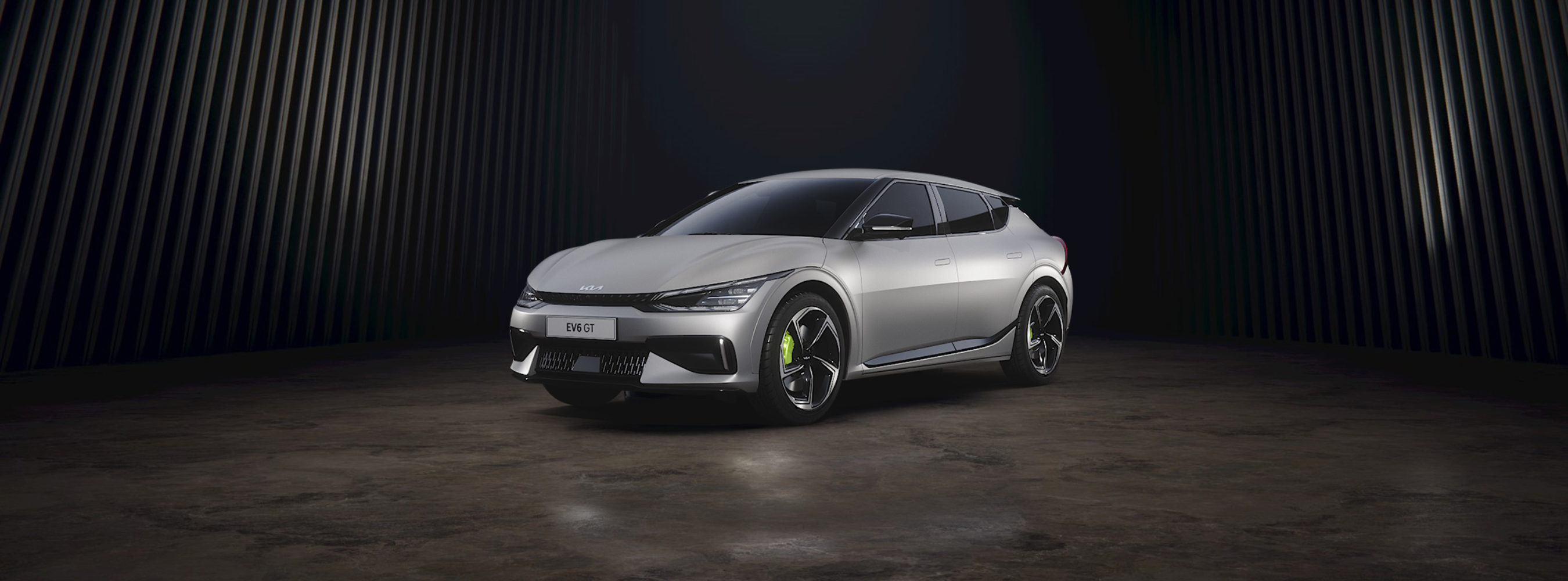
Interactive Web Experiences
Immersive online experiences.

From interactive car showrooms to virtual tours, we bring places and moments online using the latest web technologies. Three.js, PlayCanvas, Babylon.js and A-Frame are just some of the ways that we bring amazing immersive experiences online.
We have built a range of immersive content in for microsites and brand campaigns, here’s a few of our highlights below:
Liverpool Football Club Web AR
The world of WebGL has a lot of acronyms and confusing titles, below we’ll demystify a few of them.
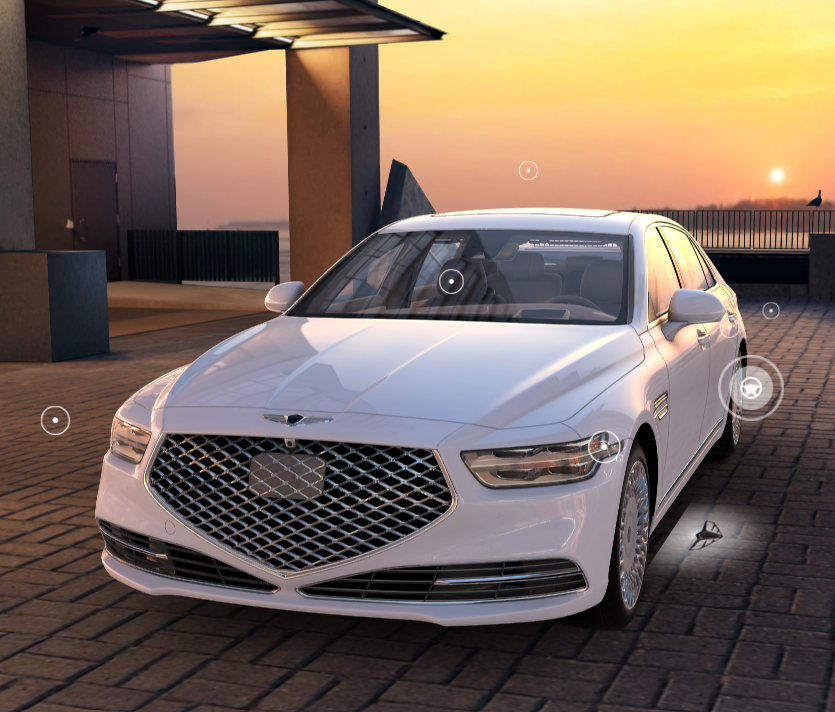
Three.js
Three is the purest of the WebGL codes, it’s like making an app in native code rather than using an engine like Unity or Unreal. This means you can get the smoothest possible and best optimised content, but, you’ll need the extra time and budget as you’ll be coding nearly all of the experience from scratch. One of our favourite three.js based experiences is this virtual configurator for the Genesis.
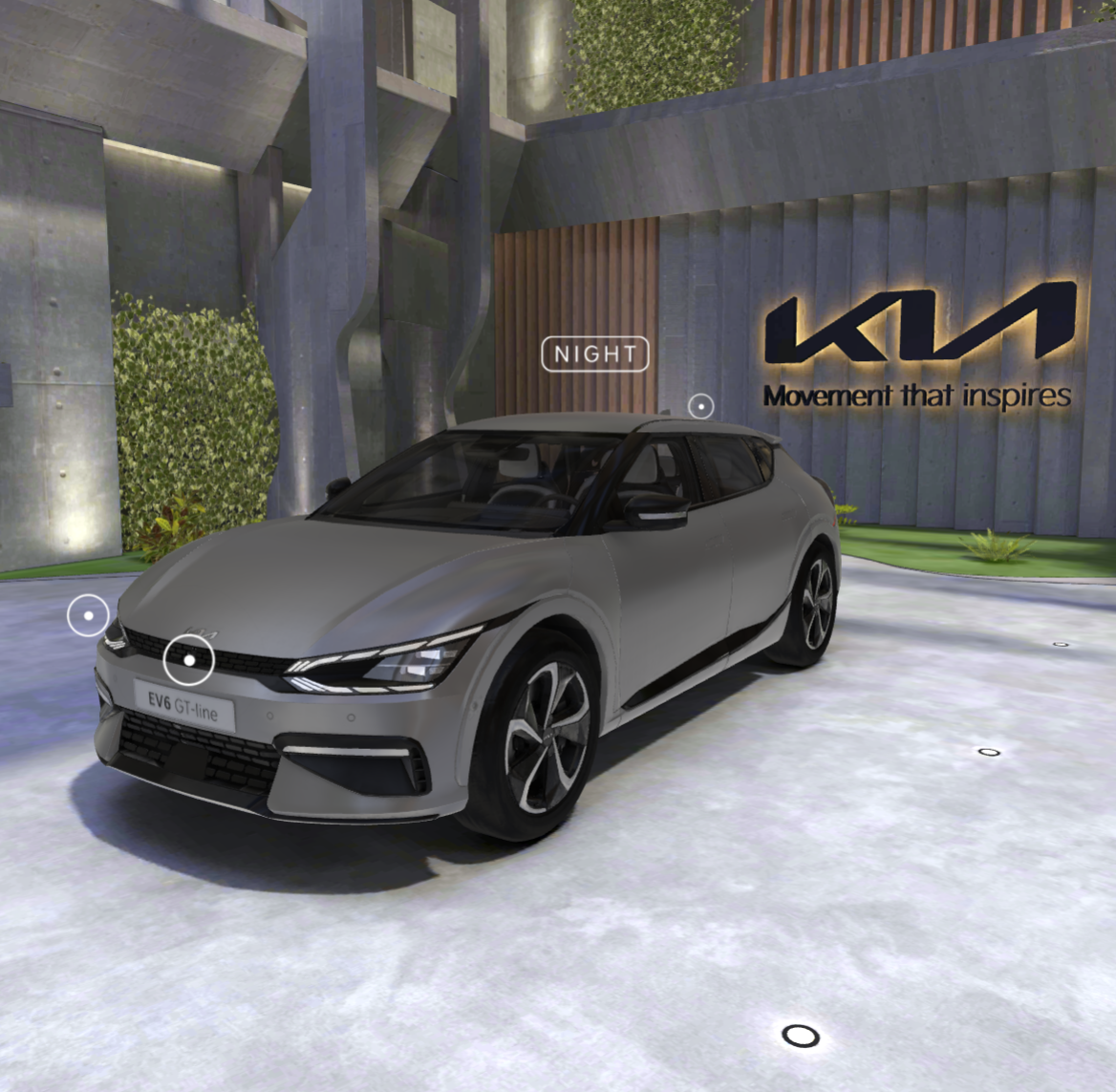
PlayCanvas
PlayCanvas is like the Unity of WebGL, it’s a set of tools you can use to build web based experiences. It’s great for quickly building and delivering immersive online content but it can be a little limited if you’re looking to do something outside of the box. Also, it carries a fair bit of ‘baggage’ in terms of file size/loading size that you don’t have with natively coding in three.js. A very good option nonetheless. Our Kia Inspiration Lab for the EV6 was built in PlayCanvas.
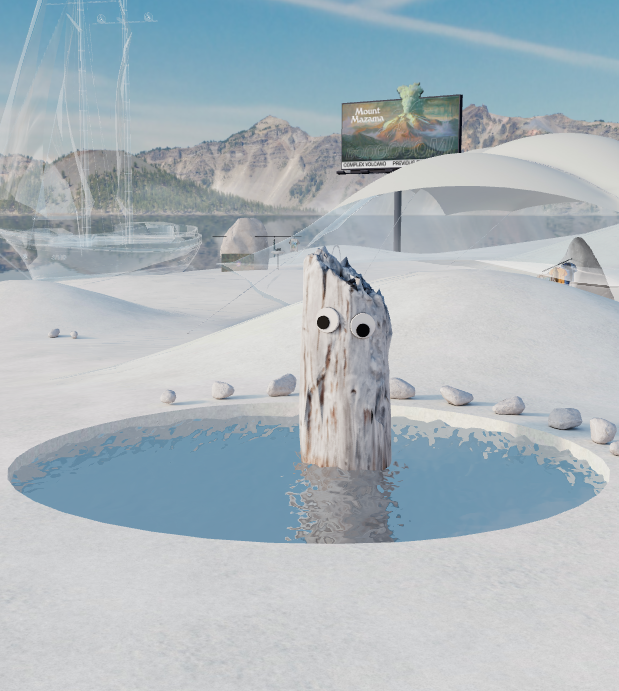
Babylon.js
Babylon.js is an incredibly powerful set of tools for elegantly making webGL experiences. It is open source and well supported by a passionate community of artists and developers. It sits somewhere between three.js and PlayCanvas in it’s benefits and drawbacks, being highly optimisable, low weight in code and coming with a set of tools to help create different experiences. Our favourite of the Babylon.js experiences is Nike’s ACG Experience.
A-Frame
A-Frame is a web based frame work for building VR focussed experiences. It can actually also be used in lots of other ways now, including web based AR experiences and interactive mobile and desktop based 3D experiences.
FAQs
What counts as an interactive web experience?
Anything immersive that runs in the browser with nothing to install: WebAR activations, playable brand pages, 360° video players, product configurators and virtual tours. Our mobile web portals for Coca-Cola at Tomorrowland and the web AR selfie experience for AXA and Liverpool FC are both this kind of work.
Why build for the browser instead of an app?
Because nobody at an event or on a poster journey downloads an app. A QR code straight into the experience removes the biggest drop-off point in the funnel. The honest trade-off: a native AR app still wins for heavy interactivity, precise tracking or long sessions – we will tell you which side of that line your idea sits on.
How much does a WebAR or interactive web project cost?
WebAR projects run from £15,000 to £85,000, excluding VAT, depending on the complexity of the interaction, the assets that need building and how many device types we are supporting. Registered non-profits receive a 20% discount.
What’s the difference between the white-label 360° player and a custom build?
The white-label player, from £4,850, is a templated product: it plays your 360° film beautifully in the browser, branded as yours. It is not a cut-price custom build – there is no bespoke interactivity in it. If you need designed interaction, that is a custom project in the WebAR band above.
Will it work on every phone?
We define a device support matrix at the start and test on real hardware, not simulators. Recent iPhones and Android flagships get the full experience; older devices get a graceful fallback rather than a broken page. iOS Safari has real constraints for AR in the browser, and we design around them rather than discovering them late.
How long does an interactive web project take?
Typically four to ten weeks from brief to launch depending on scope. The biggest cause of delay on projects like these is not the build – it is approval cycles, so we agree a decision schedule with you at kick-off.
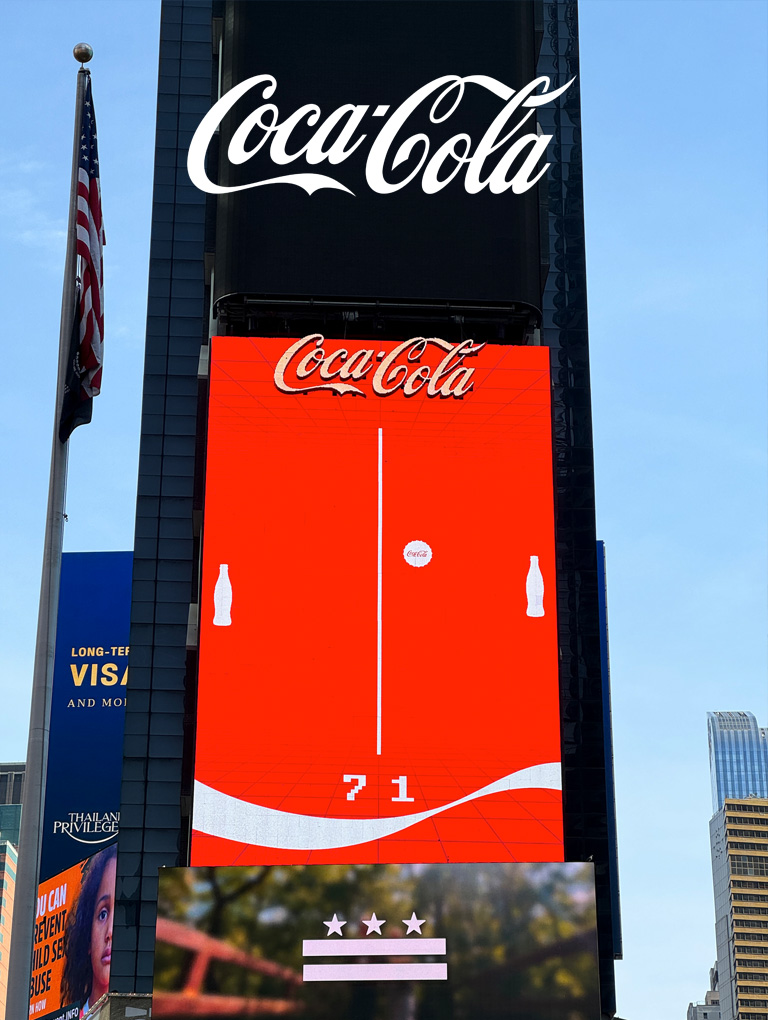
Coca-Cola Playable Billboard
Coca-Cola turned a billboard into a live game. We made it work.
“Innovative. Creative. Provocative. Retro Appeal With a Modern Twist.”
AdAge
Honda HR-V Virtual Showroom
Interactive Immersive Showroom to Launch the new Honda HR-V
“”
Kia EV6 Virtual Showroom – Inspiration Lab
WebGL Based Virtual Showroom for Kia's New EV6
“”
Other Services
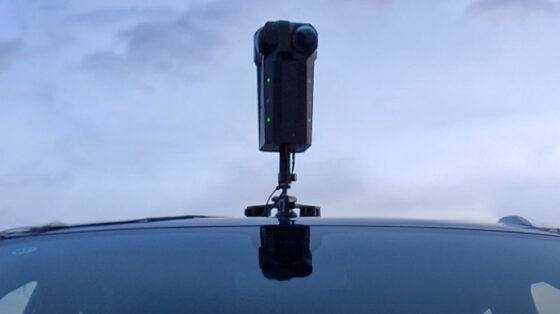
360° Video production
Live-action 360 that feels natural, looks premium, and is comfortable to watch. Shot mono or stereo with spatial audio, distributed where it works best - headsets, domes, LED, YouTube and socials.

Augmented Reality (AR)
From product try-ons to location takeovers. WebAR for reach, app AR for advanced features, social AR for shareability. We design to the real constraints so the experience actually lands.