
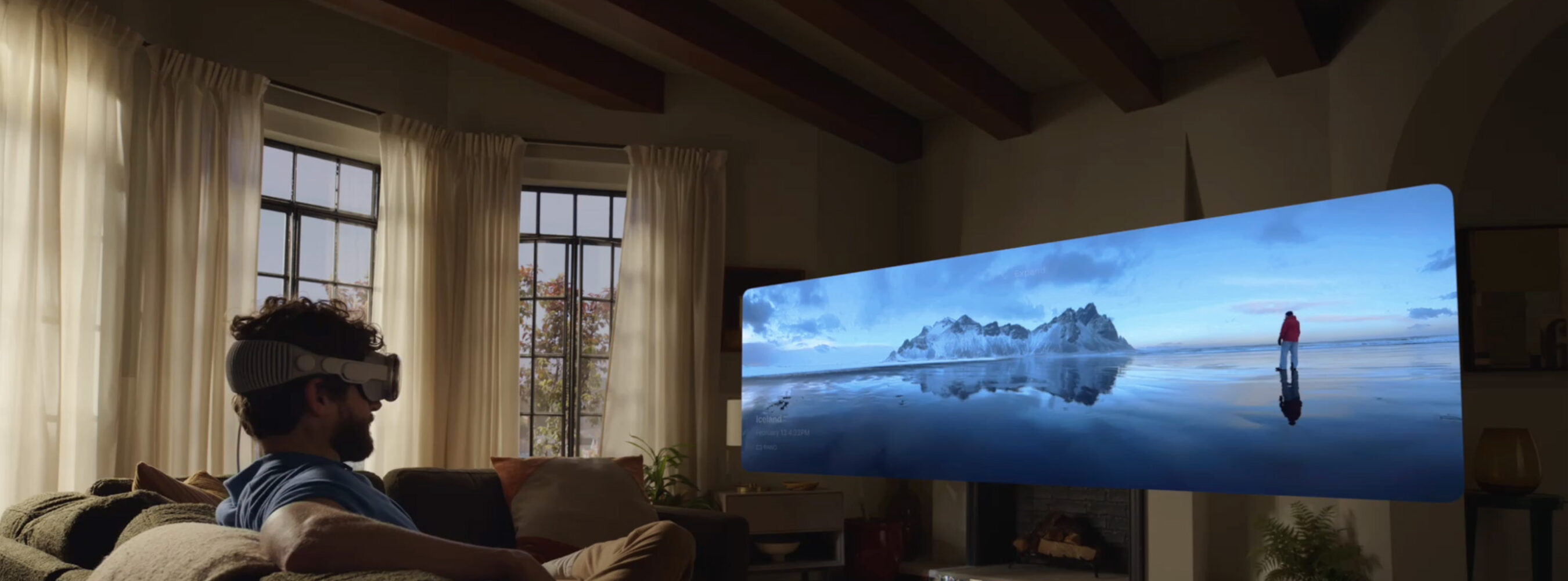
Spatial Computing
Spatial Computing Experiences

Spatial Computing is a phrase revitalised by Apple with regards to the new Vision Pro headset. It’s a clever term as it distances them from other lingo associated with the worlds of VR and AR and all their associated baggage.
By calling this new headset a ‘spatial computer’ it really allows for a blank canvas in the creation of ideas and content.
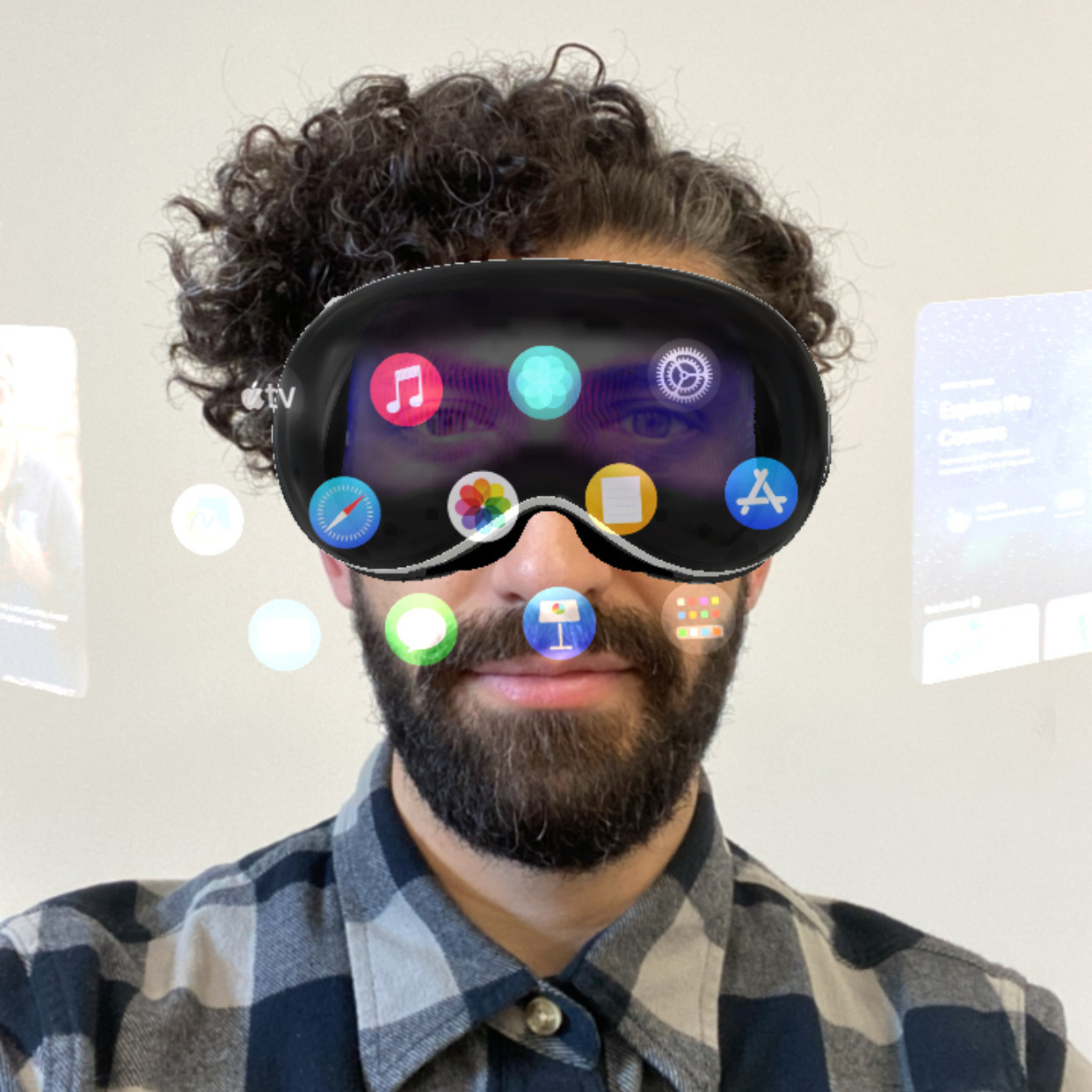
Having worked with immersive content since 2006, Visualise are well placed to produce content and experiences for the Vision Pro. We understand the quirks of delivering content to the home or to events in VR and AR and are also able to develop on other Apple devices and apps.
Another term that is also being used for content on the Apple Vision Pro is ‘blended reality’ (BR). The device even has a wheel on it that can be spun to vary the level of reality vs virtual world you experience.
The Apple Vision Pro is the much anticipated new device from Apple, cleverly marketed at productivity and entertainment and with a seamless integration in to the Apple ecosystem it seems to be a smart first move in to the sector.
Get in touch if you’d like to discuss one of your upcoming spatial computing assignments, even if it’s early days, we’re happy to chat.
FAQs
What is spatial computing, and is it worth investing in yet?
Spatial computing means content that understands and sits within the room you’re actually in, rather than replacing it. Apple Vision Pro and mixed-reality headsets.
It’s worth investing in now for high-value, low-volume situations:
- Executive briefings
- Engineering and design review
- Premium retail
- Permanent installations
It’s not yet the right choice for mass-market reach. We prototype quickly on Vision Pro so you can make that judgement with something in your hands rather than in theory.
Will our immersive project be obsolete in two years?
The technology will move, and the experience layer may need updating. The content usually doesn’t. We shoot at 12.5K precisely so the master outlasts the hardware it was first delivered on: footage we shot years ago still holds up in current headsets, and the same asset can be re-delivered to whatever comes next.
The bigger risk to longevity isn’t technical, it’s creative. Novelty ages badly and story doesn’t.
Can you build AI into an immersive experience?
Yes. We design and build conversational AI characters for installations, using a language model with speech-to-text and text-to-speech and a moderation layer to keep responses on-brief.
It works best when the AI has a real job, answering the questions a guide would answer, rather than being there as a demonstration of itself.
Will AI make immersive production cheaper?
In parts, yes, and we already use it. AI and VFX let us transform what we’ve shot: removing modern intrusions, building historical settings around live-action performers, colourising and animating archive photography. That reduces the cost of things that used to require a full CG build or a period set.
What AI can’t yet do well is generate 360° video. Generative video models work on a flat 16:9 frame; a 360° frame has to be a coherent sphere stretched across the viewer’s entire field of view, and there is far less 360° training data to work from. In a headset the image sits centimetres from your eyes, so every flaw is visible.
That will change, but it hasn’t yet, and today the fastest route to convincing immersive content is still to point a very good camera at something real.
How much does a spatial computing project cost?
Apps for headsets and spatial devices sit in our VR apps and virtual tours band of £25,000 to £70,000, excluding VAT, depending on interaction depth and content volume. Large-scale installations and attractions start from £100,000. Registered non-profits receive a 20% discount.
Other Services
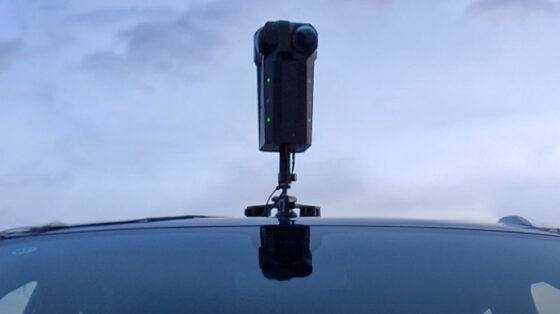
360° Video production
Live-action 360 that feels natural, looks premium, and is comfortable to watch. Shot mono or stereo with spatial audio, distributed where it works best - headsets, domes, LED, YouTube and socials.
Augmented Reality (AR)
From product try-ons to location takeovers. WebAR for reach, app AR for advanced features, social AR for shareability. We design to the real constraints so the experience actually lands.