

The Best Immersive Films This Month Barely Cut the Camera
Three of the best immersive films of the year landed on Apple Vision Pro in the space of a fortnight: a close-up magic show, a big-wave surf film and a ghost story. They couldn’t be more different. But read the reviews side by side and they praise the same thing, and it’s the oldest skill in our trade. Put the camera in the right place, leave it there, and cut when the subject tells you to.

You Are Here: At the Magic Castle
The Magic Castle in Hollywood is a members-only club, which is exactly what makes it a good subject for a headset. You Are Here: At the Magic Castle with Siegfried Tieber is two stand-alone episodes of about 20 minutes each, captured live in the Close-Up Gallery and the Library Bar. You sit a few feet from Tieber, a mentalist, while he works the room.
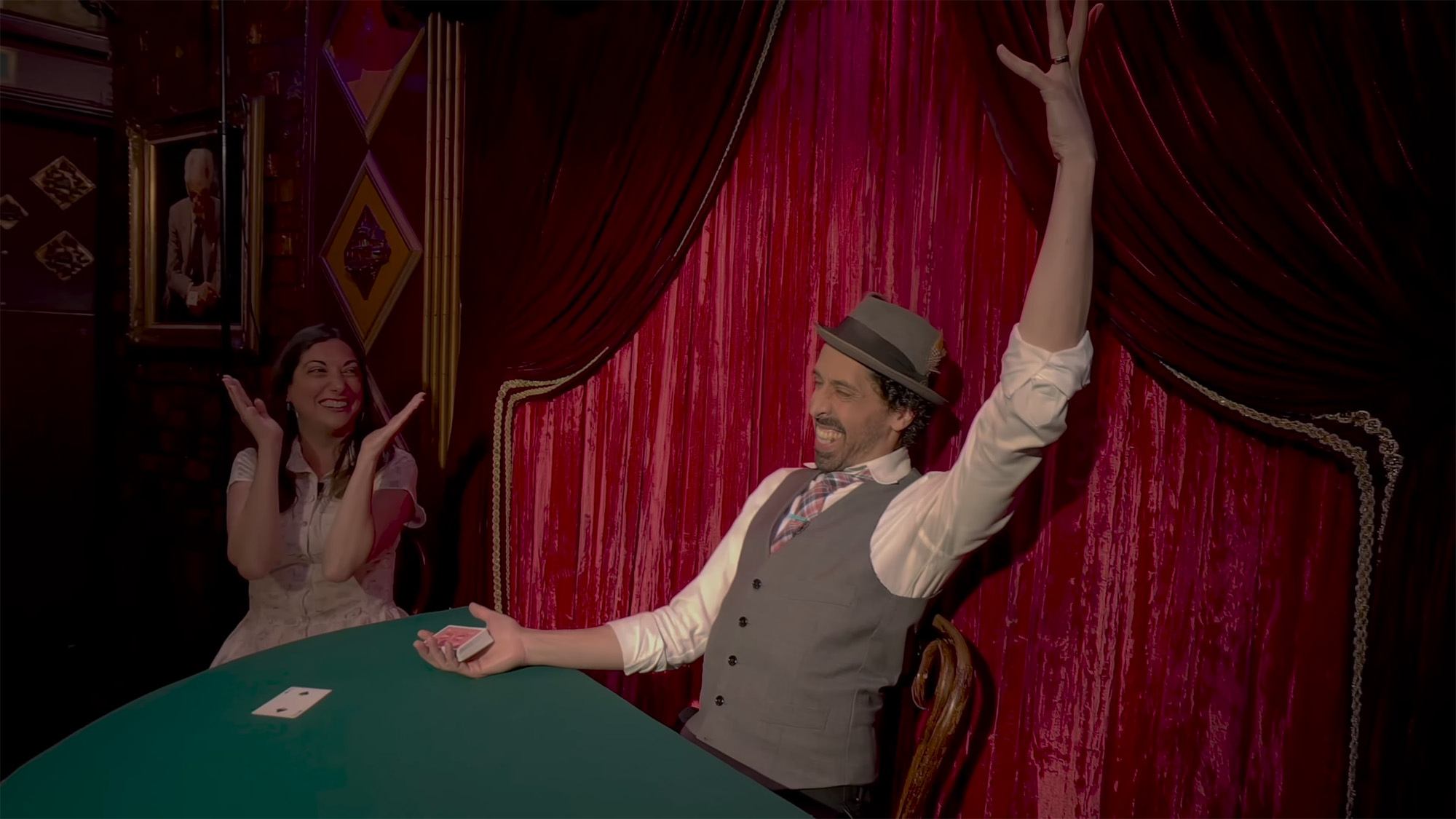
What stands out is how little the production does. There are at most two cameras in the Close-Up room. UploadVR’s reviewer, Laura Mingail, described the placements as “natural but abnormally close” and wrote that the switches “happen at just the right times”, adding that jumping between too many locations would have been a distraction. The only part she found disjointed was the material shot outside the performances.
That restraint pays off in one small moment that flat video can’t copy. Because the camera sits where a guest would sit, Tieber can glance straight at you. In a headset, that glance does the job a close-up does in cinema: it tells you where to look, and it makes you part of the trick.

Looking down the barrel of the lens also gives a very unique experience in VR – feeling that human connection, you feel like you would if you were sitting in front of them and they look you in the eyes.
From a producer’s chair, the lesson is that a camera position is a seat. You’re choosing where the audience sits for the next few minutes, and the best seat in a small room is often closer and crucially, not jumping around.
Red Bull’s Big Wave Surfing
The eight-minute The World of Red Bull: Big Wave Surfing episode for Apple Immersive goes to Teahupo’o in Tahiti with Italo Ferreira, Molly Picklum and local surfer Michel Bourez. It moves a lot more than the Magic Castle, between the water, a boat, the reef and the air. Yet each position “holds just long enough to take in what is happening”, in UploadVR’s words, and the transitions roughly keep pace with the waves forming and breaking.
I really enjoyed this one – it mixed Apple’s trademark 180 3D shots with more nimble and waterproof mono sports cameras. You can see the quality change but it’s worth it for the access they give you.
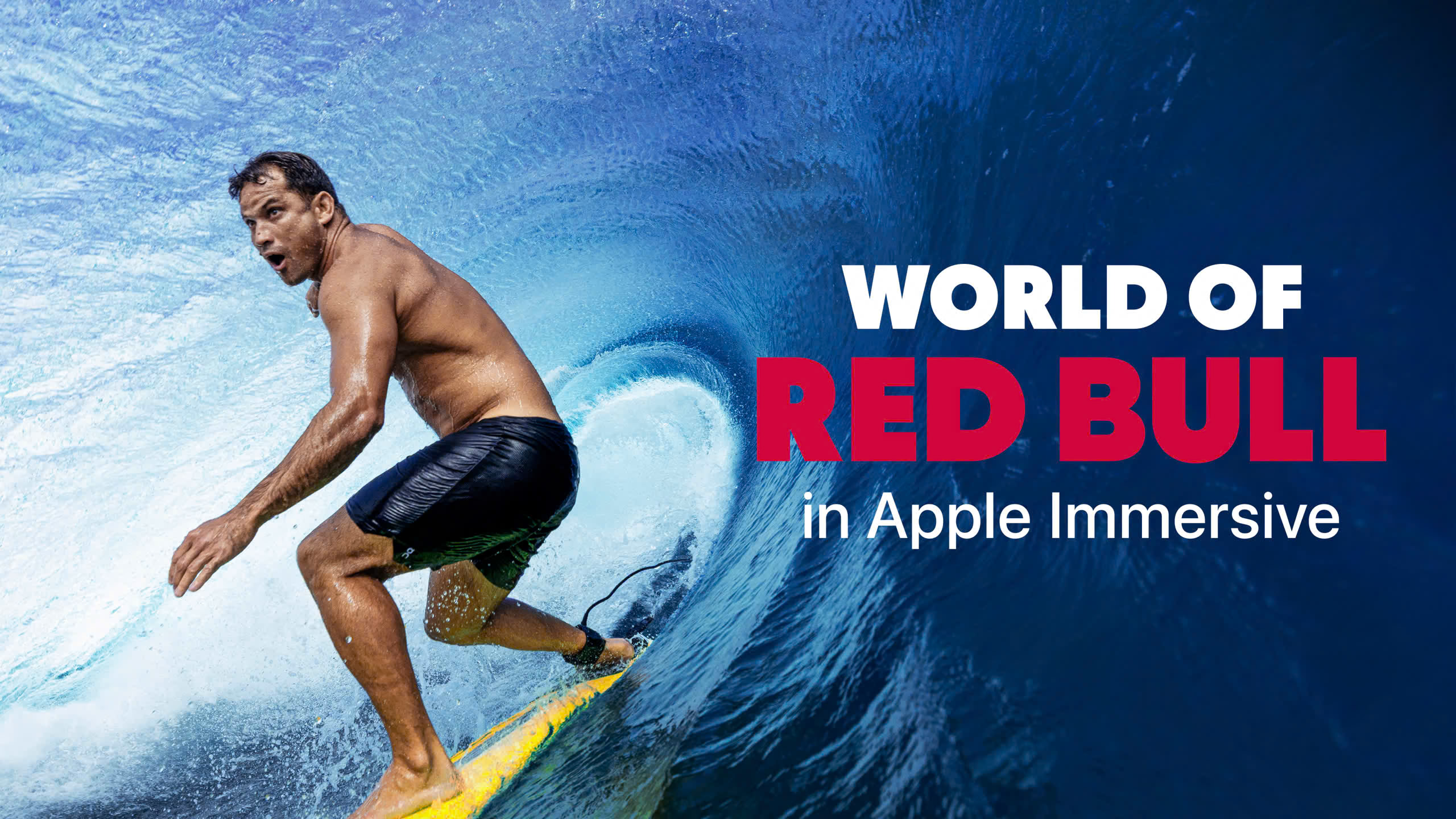
Two other choices are worth observing. The voiceover drops in at key moments and then gets out of the way. And the spatial audio, recorded on the shoot, does real storytelling work: drop under the surface and almost everything goes quiet. Red Bull’s branding is mostly on the surfers’ kit – it plays as a film. For any brand funding immersive work, that’s the model.
Remnants: what happens when you cut like cinema
Remnants, directed by Ti West, is the first horror film in Apple Immersive: a 24-minute ghost story (27 with credits) set in 19th-century London, following a character called Eleanor to a haunted castle. It’s ambitious, and it’s the most useful of the three because it shows both sides.
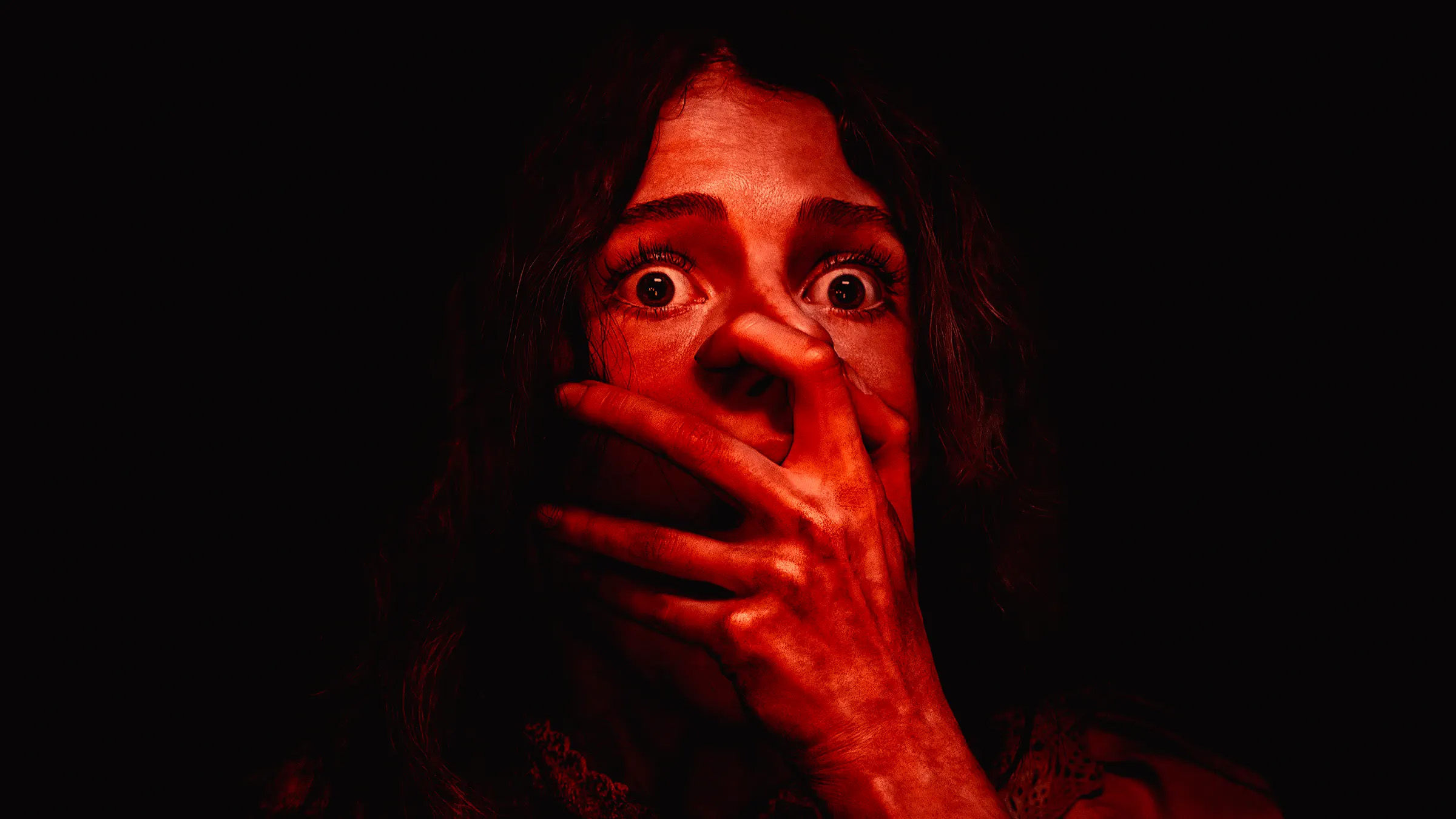
The opening uses traditional angles and quick cuts in the dialogue, and both I and the Upload reviewer felt that put the viewer in a slightly uncomfortable position. The shots were all beautiful and the lighting fantastic but there could have just been half the number of cuts.
As the film reaches the castle, the shots get longer and slower, the chosen positions “start to feel intentionally unsettling”, and it works. You don’t get to choose where you stand, which suits horror nicely. It’s a good reminder that 180 and 360 will take cinema’s grammar, but only some of it.
What this means for brands commissioning immersive video
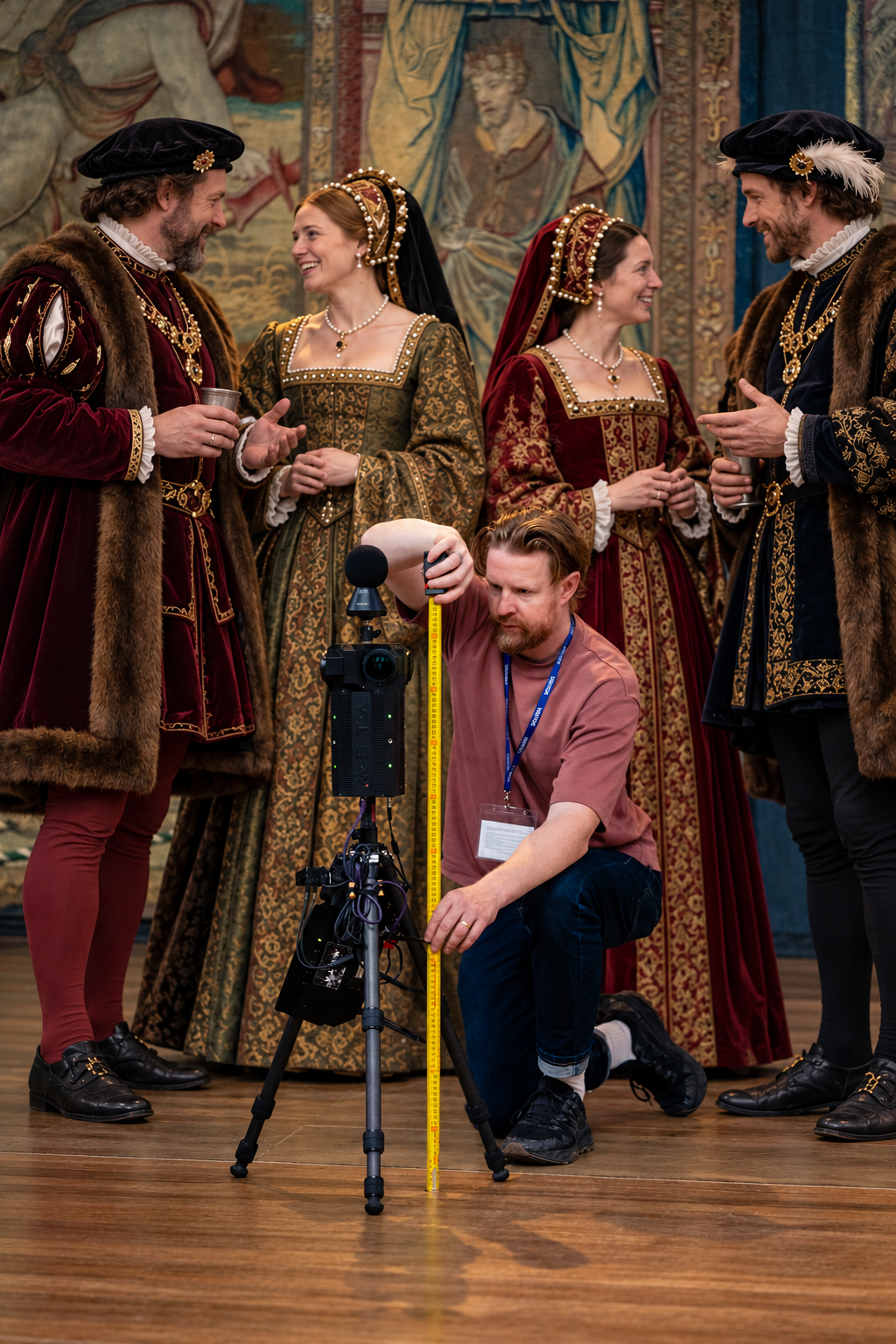
We’ve spent years putting cameras in places people can’t normally go, and the work that lasts is almost always the work where we found the right perspectives and trusted the story to carry the scene. For Symphony with Gustavo Dudamel, we built a custom set that allowed 360 cameras and therefore the audience to feel like a part of the orchestra. Nobody talks about the edit. They talk about the position, the experience – you literally can’t sit there in real life.
So if you’re commissioning 180 or 360 next year, here’s what we’d put in the brief:
- Fewer, better positions. Spend the budget on recce time and the access to put a camera somewhere special.
- Cut to the subject’s rhythm. A wave, a trick, a line of dialogue. Let the edit follow it.
- Movement but only when needed. It’s tempting to always move the camera but it’s not always best for the scene.
- Let audio carry the transitions. Spatial sound recorded on location can move attention without a cut.
- Plan two outputs from day one. A headset version for the full effect, and a phone and YouTube version for reach.
See it in action
We explored the same idea in our work with the Symphony, putting the audience in the players’ seats. See the full case study, or read about shooting 360 inside Chornobyl, where there was no second take. You can explore more of our work at visualise.com/work.
If you’re planning an immersive film for a brand, venue or institution, we’d love to talk. Get in touch at visualise.com/contact.
Comments