
Virtual Reality (VR)
Virtual Reality That Works in Reality

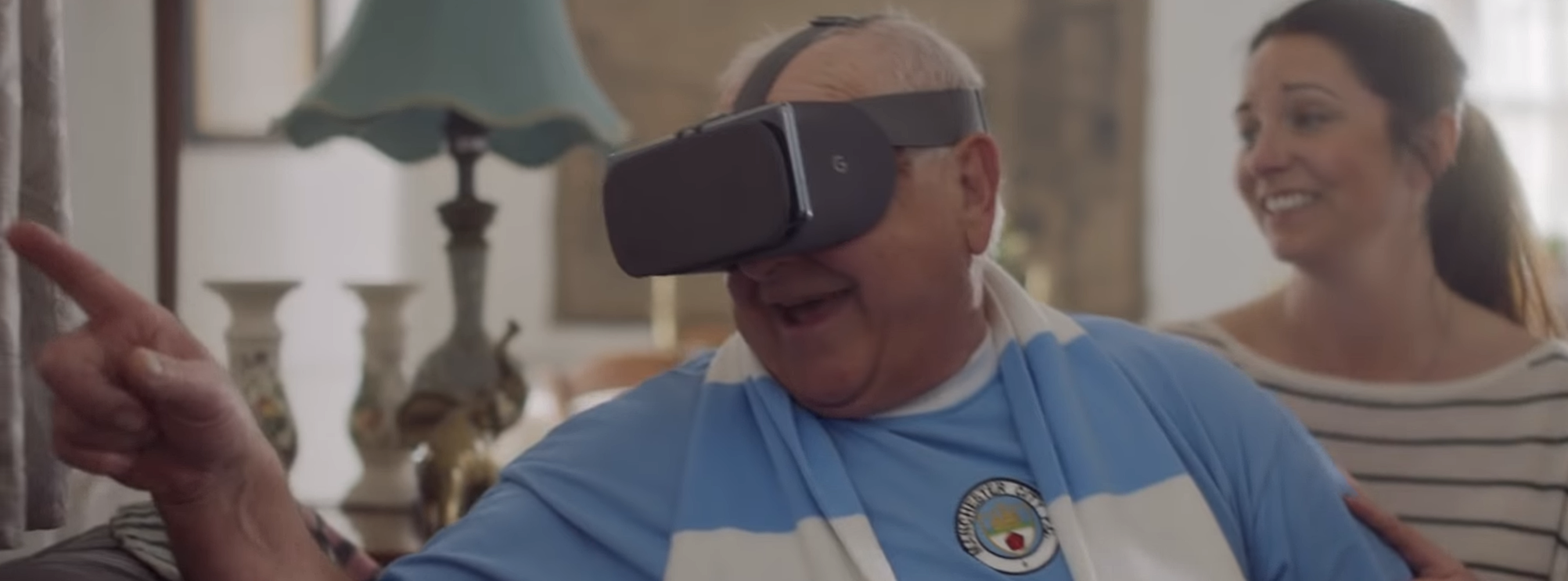
VR isn’t magic, but it is the most compelling and visceral medium out there. Used well, it can transport audiences, transform training, or turn complex ideas into lived experiences. Used badly, it’s just another headset gathering dust. We design VR that earns its keep.
We’re headset agnostic – so we’ll recommend the best device for your particular use. We’ve got experience with most of the top brands and know each of their quirks.
Our Approach
We don’t start with the headset. We start with your challenge. Sometimes VR is the answer, sometimes it isn’t – and we’ll tell you which. When it is, we bring 15+ years of creative and technical expertise to build experiences that last beyond the wow-moment.

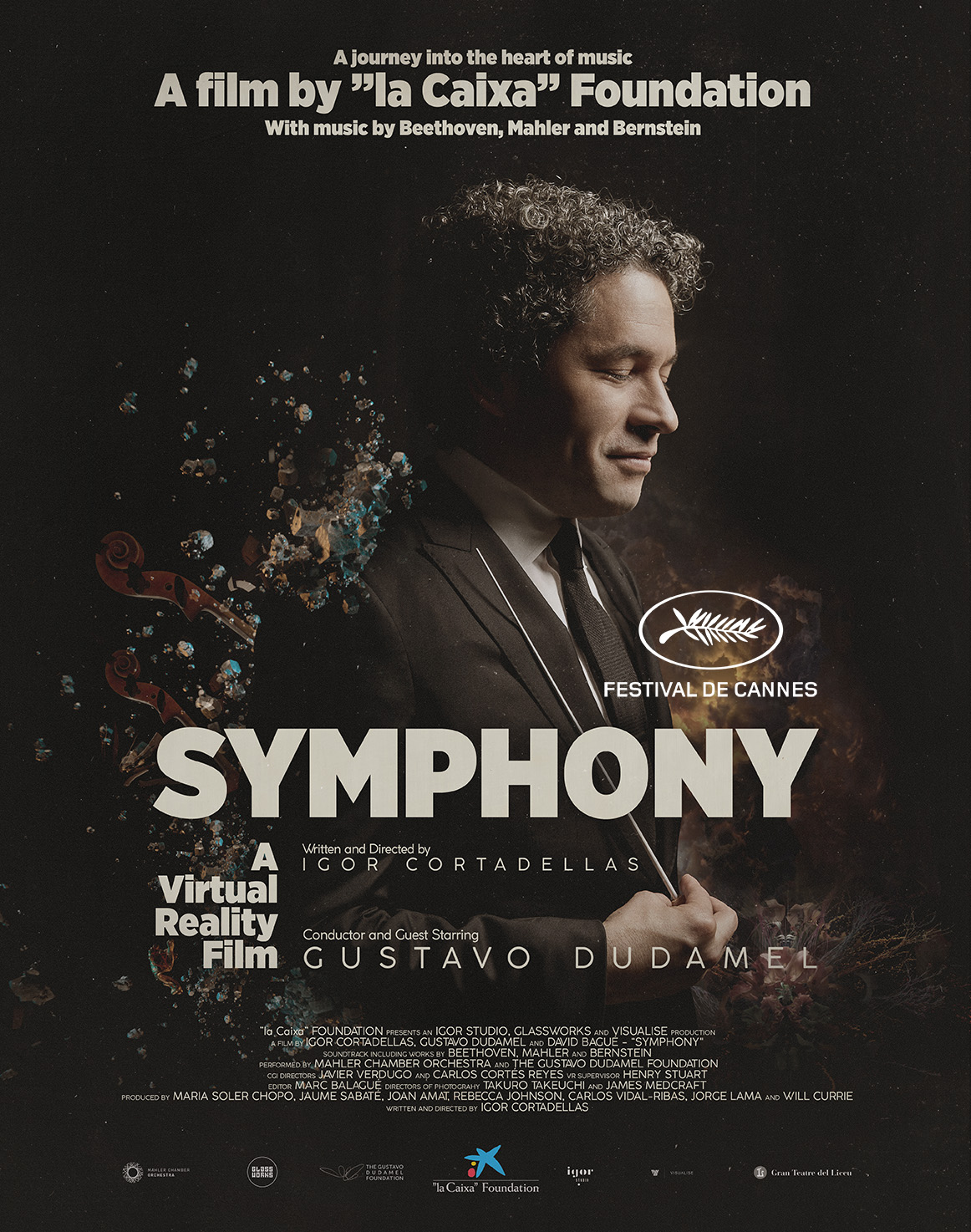
Gustavo Dudamel on the set of ‘Symphony’ check out the project here.
Types of VR we provide
Visualise are a virtual reality (VR) agency. The types of VR we provide can be split into four main areas:
Interactive
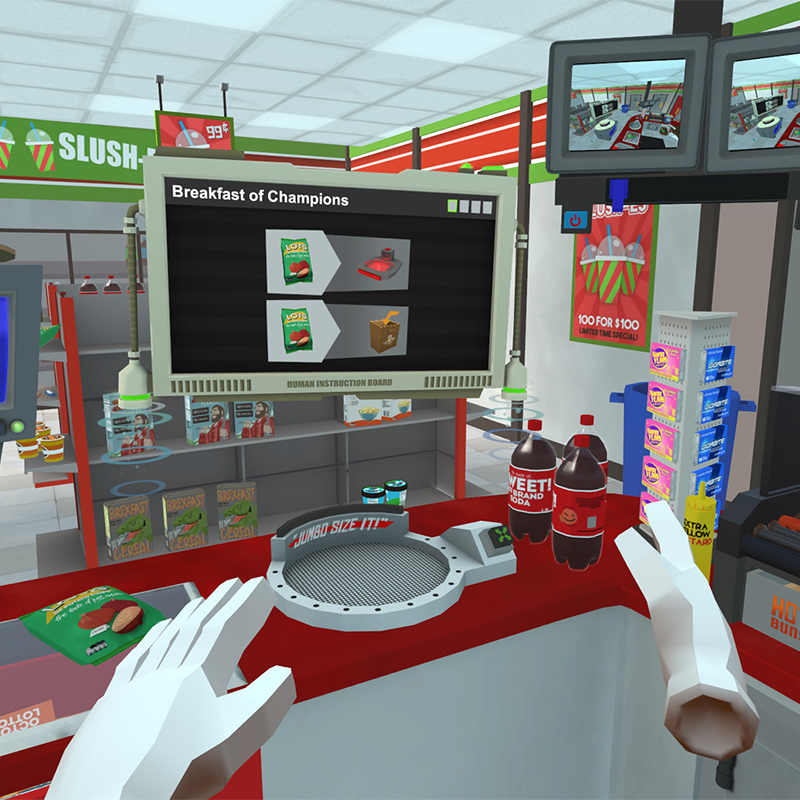
Interactive VR allows the user to interact with the experience, turning them from a viewer into an active participant. You are transported to a fully immersive environment that you can (usually) freely explore, with six degrees of freedom. This means you can walk around bend down, look around, pick up, play learn, anything, it’s another world.
360º Video
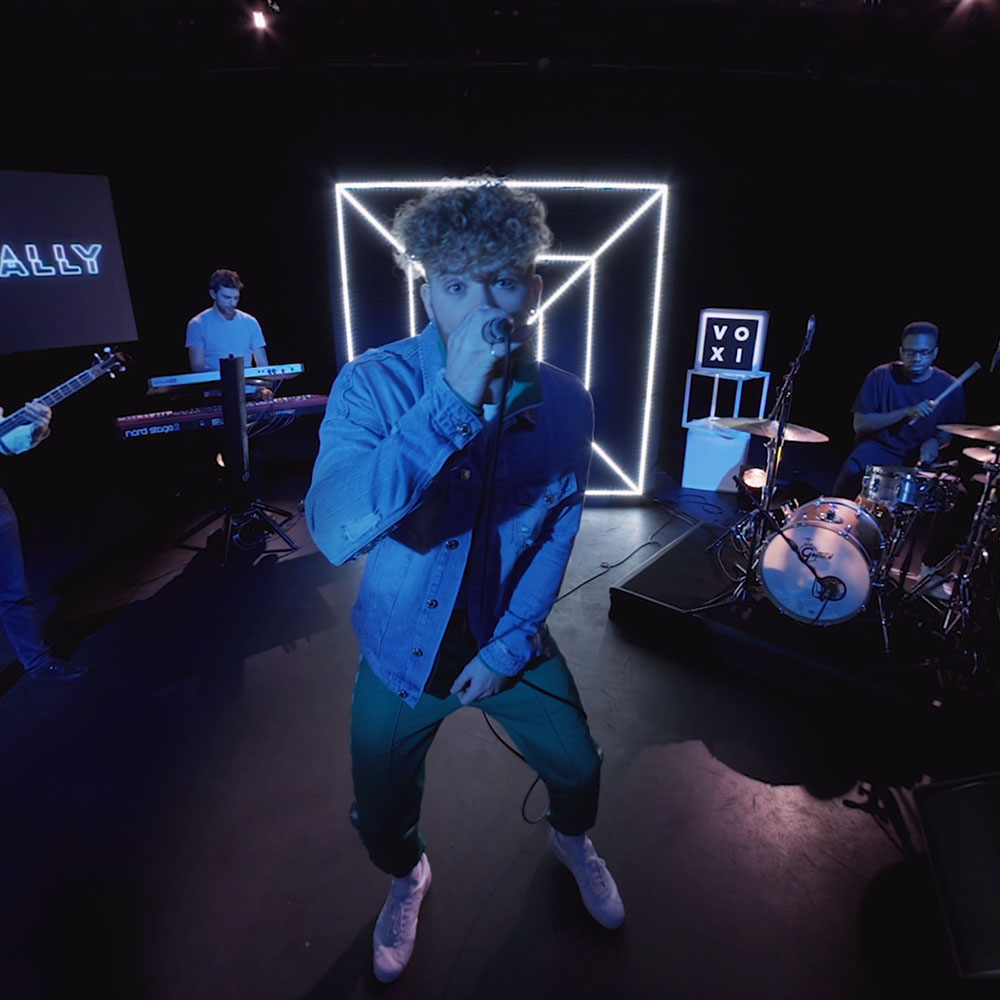
360° video is one of the most powerful content formats in storytelling. It transports viewers to the centre of a narrative, giving them a highly immersive experience of a real-world event or fictional scene. Because major platforms like YouTube and Facebook support the format, 360º video is the most shareable form of VR content, with the potential to reach millions. You can read more about our 360º video production services here.
Volumetric Video/Photogrammetry
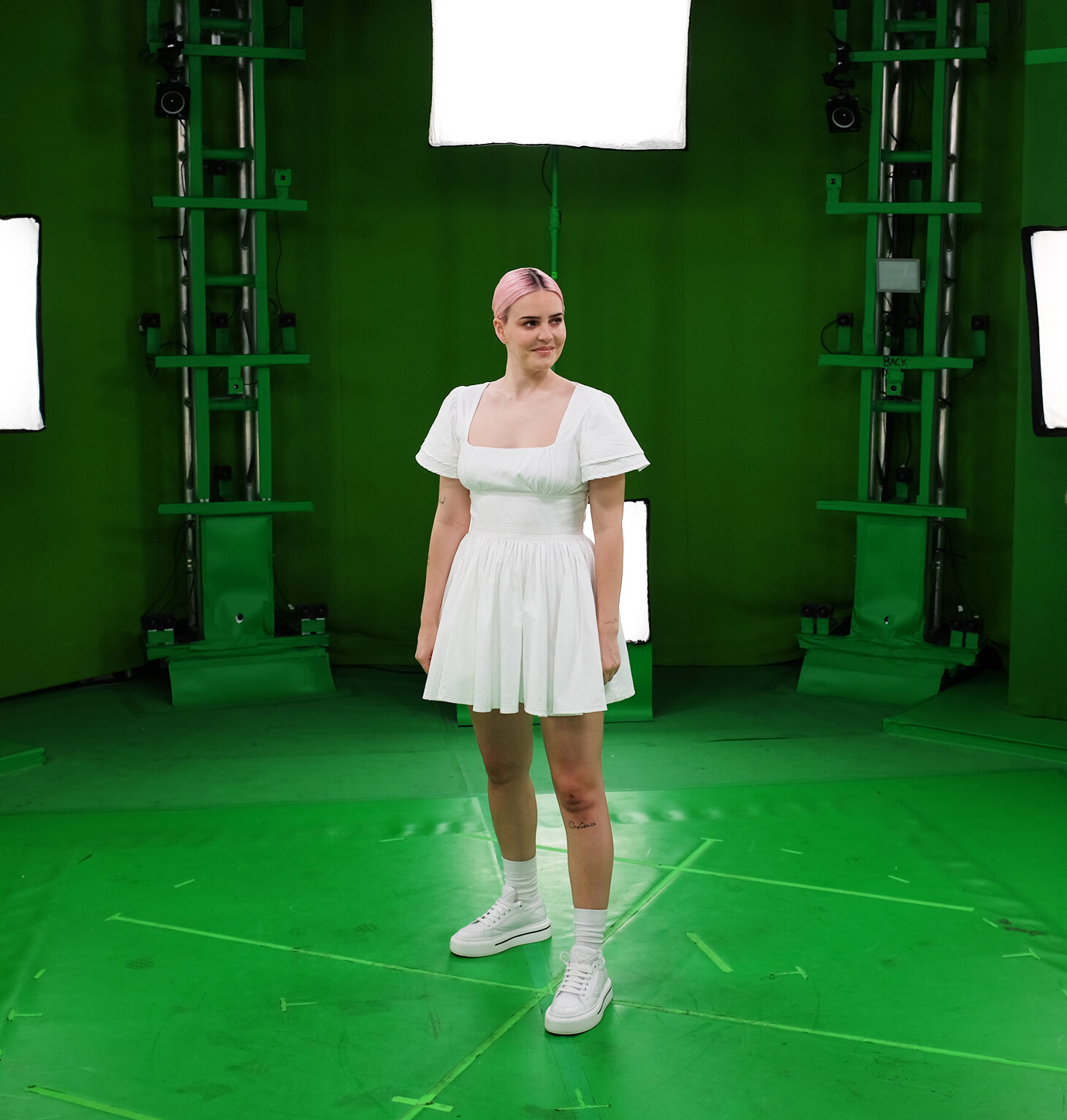
Volumetric VR uses real footage of people, places and objects to recreate the world in virtual space.
Studios equipped with arrays of cameras and sensors now make it possible to record full 3D performances. The result: digital humans and environments with genuine depth, already transforming film, TV and fashion productions.
It’s complex to capture and not cheap to produce – but for the right project, the impact is unmatched.
Live VR / 360º Streaming
You can live stream 360 cameras straight to VR headsets, allowing an uncapped number of people to watch an event like they were actually there too.
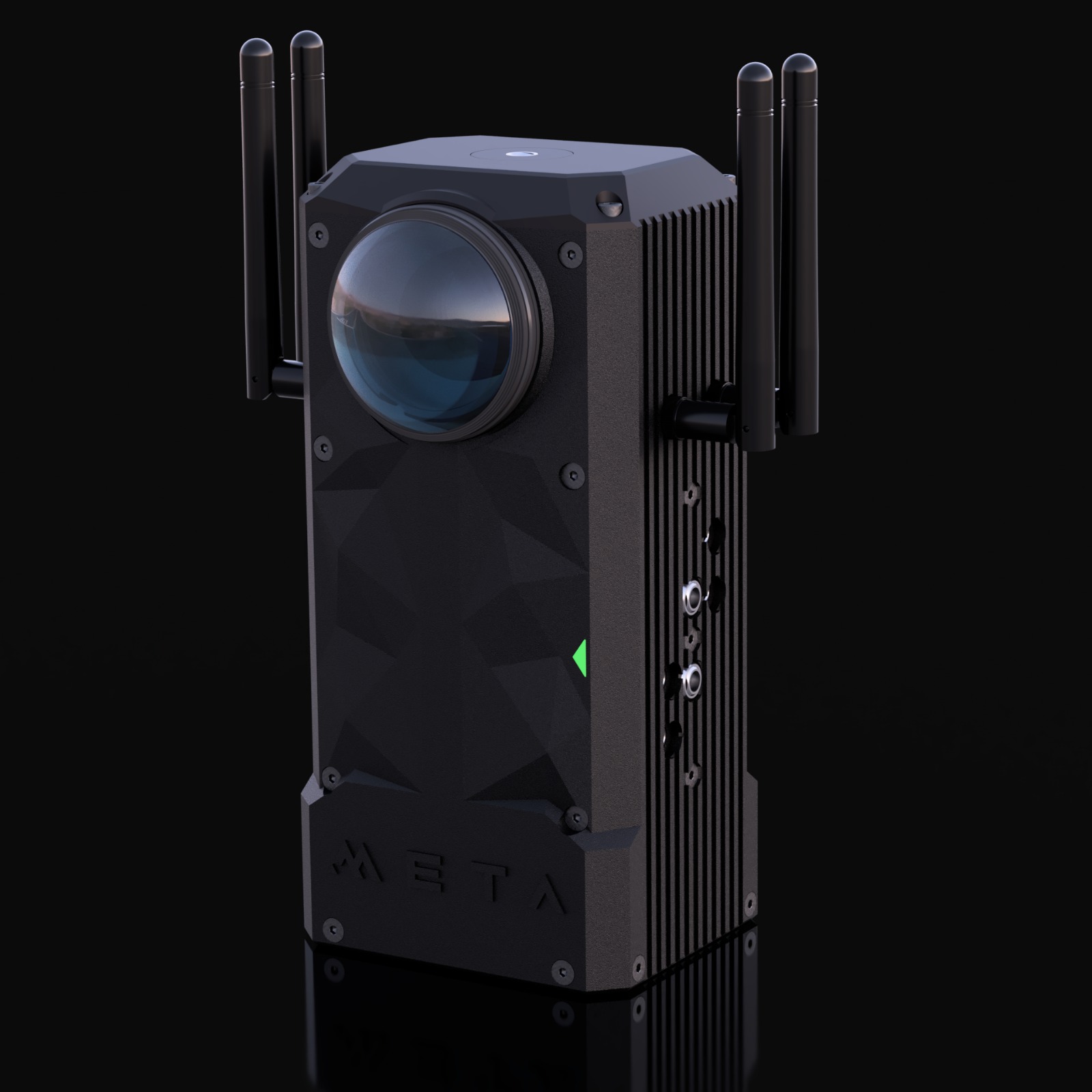
We have done this for music gigs, sports events and business conferences. We have a unique partnership with Meta Camera that allows us to stream these events in unrivalled quality.
Years of experience in VR
We’ve delivered over 100 VR experiences for brands including Facebook, Google, BBC, The Economist, Ford, Audi, Mercedes, Doctors Without Borders and the Red Cross.
Unlike most, we have a roster of dedicated VR directors – specialists in immersive, 360° filmmaking.
See our award-winning work here, or talk to us about your next project.
FAQs
Do we need to buy VR headsets?
Not necessarily. We can supply them for an event and take them away again. If you want your own fleet, we’ll source, configure and pre-load them.
As a rough guide:
- Meta Quest 3S — around £300
- Meta Quest 3 — around £450 to £530 depending on storage and supply
- PICO 4 Ultra — around £525
- Apple Vision Pro — around £3,500
Add cases, charging and setup on top, and expect these to move, because headset pricing changes several times a year. Headset hardware is quoted separately from content, always.
How do you manage a fleet of headsets?
Through a mobile device management platform, at roughly £8 per device per month, so content updates, resets and monitoring all happen remotely. On top of that we offer support retainers scaled to fleet size: for a small fleet, from around £700 a month for helpdesk and monitoring, up to around £1,500 a month for extended hours and a priority response SLA.
For group sessions we use our own Conductor app: one facilitator launches content on every headset simultaneously, pauses for discussion, and tracks completion. It’s an add-on rather than part of the base app build, so it’s priced as its own line.
Can VR be used for training?
Yes, and it’s one of the areas where the return is easiest to demonstrate. We’ve built VR first-aid training for St John Ambulance, and we’ve scoped training programmes for transport operators and financial services.
Linear 360° film is often the right format for training: cheaper to produce, faster to update and easier to run than a branching interactive build. Where you need the learner to make choices and see consequences, we build interactive.
How do you get a VR app onto our headsets?
Usually as a private build, either a sideloaded package or a managed enterprise release, rather than a public store listing. That keeps it internal and avoids store review. Public store distribution is possible and we’ll advise if it’s right for you.
What is a white-label 360° video player?
It’s our existing 360° video player app, rebranded for you. If you already have a 360° film and you want it running in a headset under your own branding, this is the fastest and cheapest route, because there’s no app to design or build. The player exists and we’re skinning it.
It’s a video player, not an interactive VR app. It plays your film with your logo and your environment. It doesn’t do custom interactions, branching logic or bespoke UX, so if you need any of those you’re looking at a custom build instead.
The tiers:
- £4,850 — basic version with your logo and skybox
- £7,450 — fully brand-aligned interface
- From £11,700 — custom UI and some additional features
- From £15,000 — beyond this it stops being white-label and becomes a bespoke app
Synchronised group viewing is an add-on on top of any tier.

St John Ambulance Seconds to Save VR Experience
St John's Ambulance VR launch to teach stabbing first aid
“Out of a choice of a multitude of immersive tech companies Visualise shone through with their excellence. Their staff held our hands through the technical processes, making working with them and the new tech a pleasurable. Their prowess around visual storytelling is unassailable, allied with their use of the latest 360 camera tech gave us an exemplary VR product for our target audiences.”
L. Williamson Development Lead - St John Ambulance

Mission Rabies – VR Film – Worldwide Veterinary Service
A 360° journey into Malawi’s fight against rabies
“Our experience in partnering with Visualise in Malawi was exceptional from start to finish. They were not only superb to work with - reliable, agile, and great company - but they also delivered outcomes beyond what we’d hoped for. They repeatedly went the extra mile to support the charity and worked exceptionally hard to ensure we had a fantastic product at the end. I recommend Visualise without hesitation.”
Luke Gamble, Founder & CEO - WVS

Travel Nevada – Space Out – VR Travel Experience
“When working with Visualise, it was clear that they don't just fully get the tech, but they grasp the creative craft that makes immersion work. Almost as important was that they were patient and enthusiastic partners who love what they do.”
Ross Cairns, Creative Director - NRG
Symphony VR – Journey in to the Heart of Music
Working with Igor Studio and Glassworks, Visualise produced this epic exploration of the heart of classical music. Guided by Gustavo Dudamel, take a stunning virtual reality journey in to the music.
“Through music, we express everything that sets us apart from all other beings: the ability to share joy, sadness, fear and peace, longing and comfort, the urgency of love and bigger issues. SYMPHONY is an initiation experience, like a great book open on the first page, inviting us always to continue reading the next page.”
Igor Cortadellas - Director, Symphony
BT Virtual Reality with Scottish Rugby
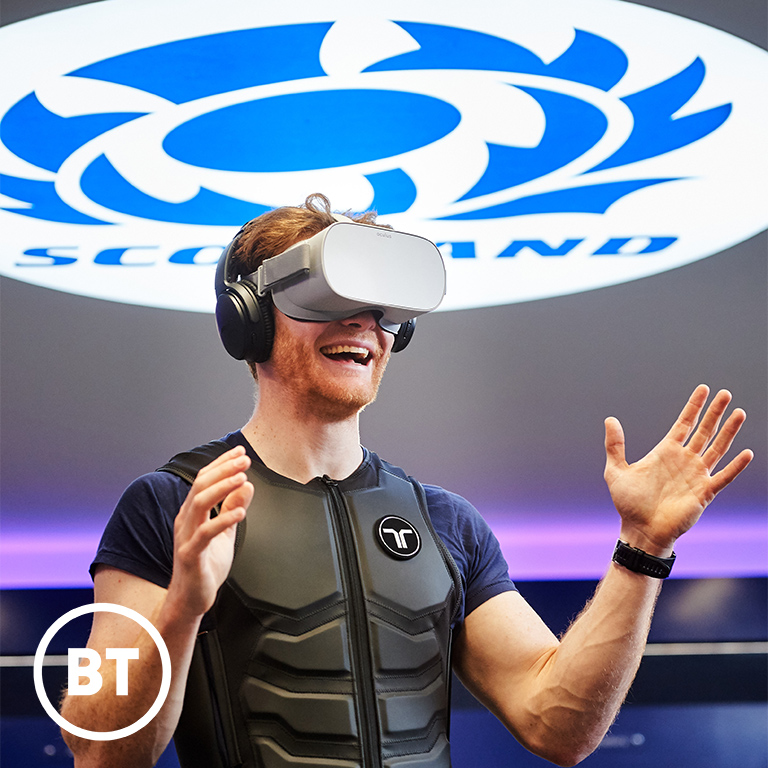
Train with the Scottish Rugby team at their elite sports centre, the Oriam. Sprint with them up to 25mph and feel the ball and touches through a haptic vest.
“”
Other Services
360° Video production
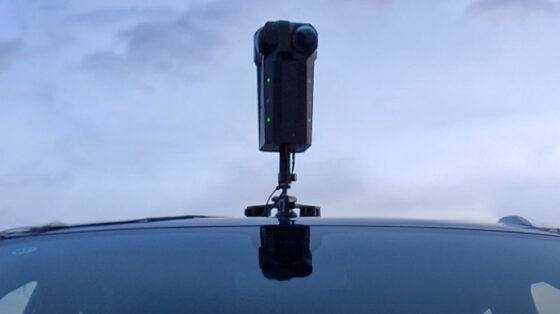
Live-action 360 that feels natural, looks premium, and is comfortable to watch. Shot mono or stereo with spatial audio, distributed where it works best - headsets, domes, LED, YouTube and socials.
Augmented Reality (AR)
From product try-ons to location takeovers. WebAR for reach, app AR for advanced features, social AR for shareability. We design to the real constraints so the experience actually lands.