


VR Training
VR Training / Learn by being there

We make VR training for training teams, brands and agencies from our London studio, and have done since 2011. Our first-aid VR for St John Ambulance teaches people what to do in the seconds after a stabbing, and our VR has won at Cannes and Raindance.
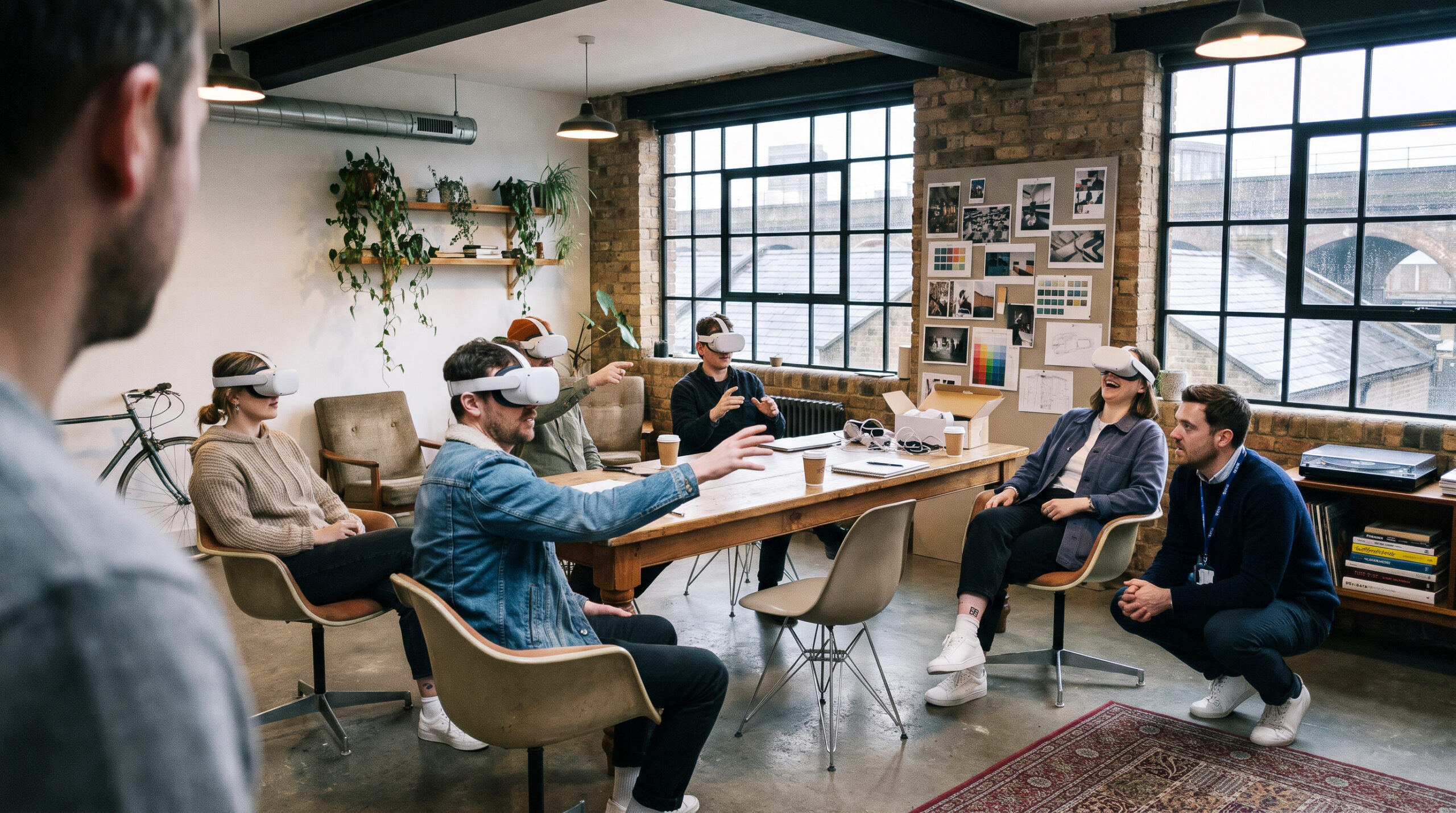
VR training puts people in the situation, not in front of a slide. Learners remember what they have done, not just what they were told – and you can see who completed it and how they did.
Where VR training works
- First aid and emergency response – practise under pressure, safely
- Health and safety – hazards you can’t stage on a real site
- Site onboarding – walk new starters round places they haven’t visited yet
- Frontline skills – difficult moments rehearsed before they happen
- Equipment and process training – steps learnt in context, not from a manual
It works best where the real thing is rare, risky or expensive to rehearse. If a simpler format would do the job, we’ll say so.
Two ways to build it
360 film
Linear 360° film is often the right format for training: cheaper to produce, faster to update and easier to run than a branching interactive build. Shot on our own 12.5K Meta Camera systems, it puts learners in a real place with real people.
Interactive VR
Where the learner needs to make choices and see the consequences, we build interactive VR in which they act, get feedback and try again.
Running it at scale
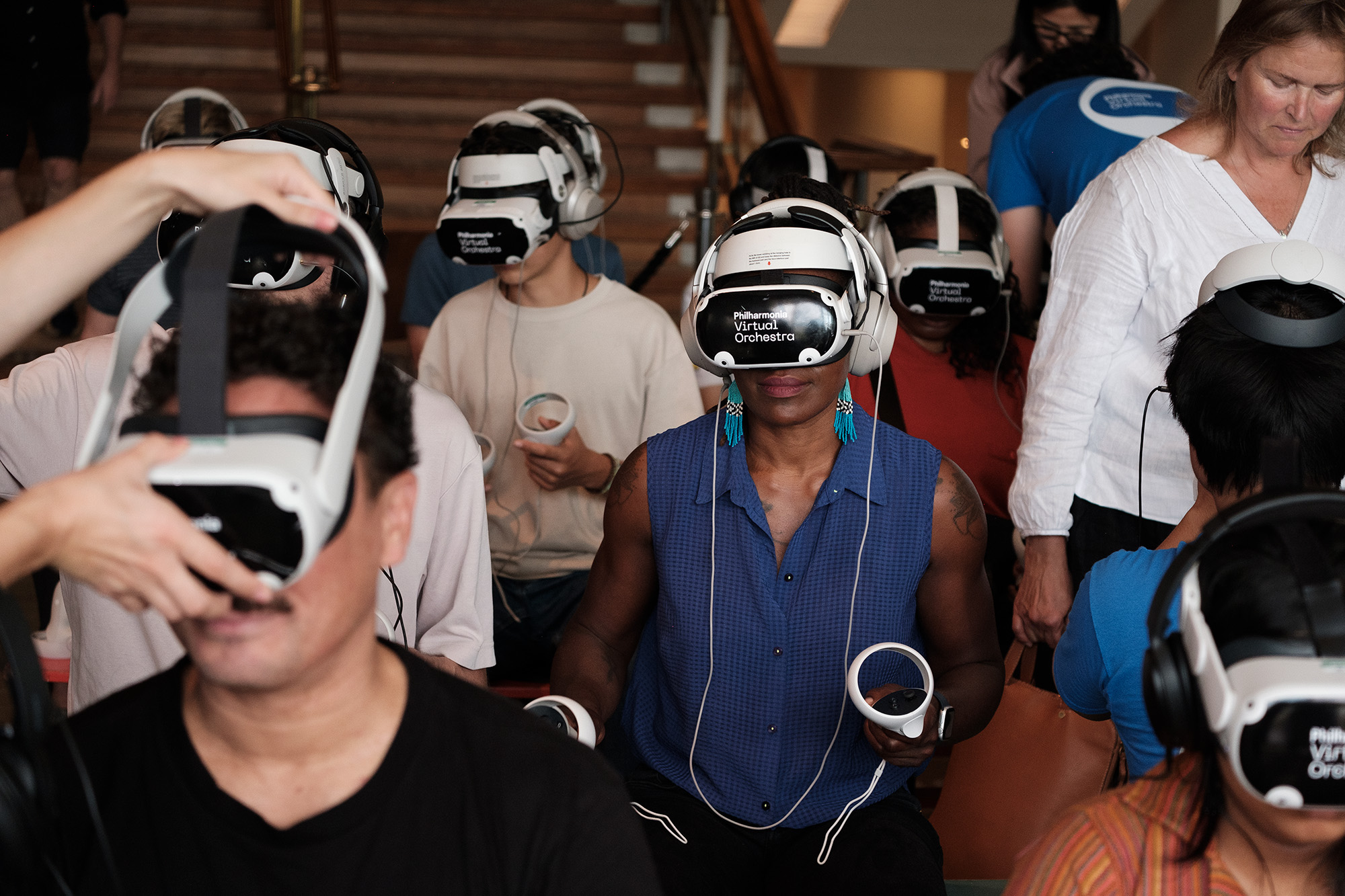
We source and set up headsets, manage fleets remotely through mobile device management and install your training as a private build, so it never needs a public store listing. For group sessions, our Conductor app lets one facilitator launch, pause and track every headset from a single tablet.
FAQs
How much does VR training cost?
A linear 360° training film sits in the same range as our 360 films, from £10,000 to £100,000 excluding VAT. Interactive training apps sit in our VR apps band of £25,000 to £70,000. Headsets are always quoted separately. Registered non-profits receive a 10% discount.
How long should a VR training module be?
We cap VR training at fifteen to twenty minutes. Beyond that, comfort and attention both fall away.
Do we need to buy headsets?
Not necessarily. We can supply them for a session, or source, configure and pre-load a fleet for you. Device management runs at roughly £8 per headset a month.
Can we measure whether it worked?
Yes. We agree the measures before we build – completion, time in the experience, decisions made, recall – and design the training around them.
Can you update the training later?
Yes. Linear 360° film is the quickest to update, and managed headsets receive new versions remotely.

St John Ambulance Seconds to Save VR Experience
St John's Ambulance VR launch to teach stabbing first aid
“Out of a choice of a multitude of immersive tech companies Visualise shone through with their excellence. Their staff held our hands through the technical processes, making working with them and the new tech a pleasurable. Their prowess around visual storytelling is unassailable, allied with their use of the latest 360 camera tech gave us an exemplary VR product for our target audiences.”
L. Williamson Development Lead - St John Ambulance
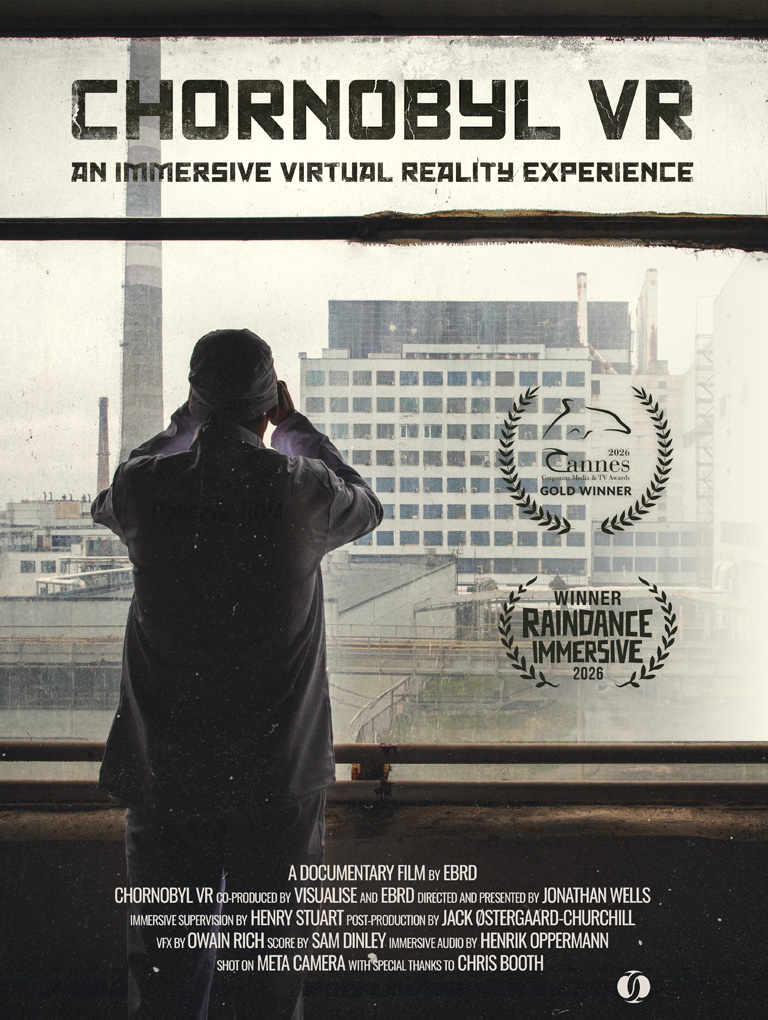
Chornobyl: 360 Inside the New Safe Confinement
A 360 VR film for the EBRD, marking the 40th anniversary of the disaster
“The VR experience has been a vital part of our global fundraising for repairs to the Chornobyl power plant’s New Safe Confinement. Crucially, the 360 film allows people to virtually visit the site, getting a far deeper understanding of the urgency and scale of the task at hand.”
Jonathan Wells, EBRD Communications

Octopus Energy Immersive Wind Turbines
Experiences that Transport you to Octopus Energy's Current and Future Wind Turbines
“Visualise have been a valuable innovation partner, unlocking powerful new ways to visualise, convey, and promote clean energy tech. They're a great, agile team - open to tackling any challenge.”
Max Grisley - Innovation, Octopus Energy Generation
Other Services
Virtual Tours
Explorable 360 tours of factories, venues, showrooms and heritage sites. Self-guided on the web, live-hosted by your team or in a headset - captured in 12.5K so every space looks its best.
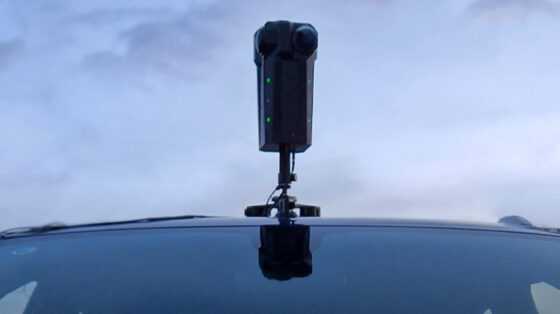
360° Video production
Live-action 360 that feels natural, looks premium, and is comfortable to watch. Shot mono or stereo with spatial audio, distributed where it works best - headsets, domes, LED, YouTube and socials.