

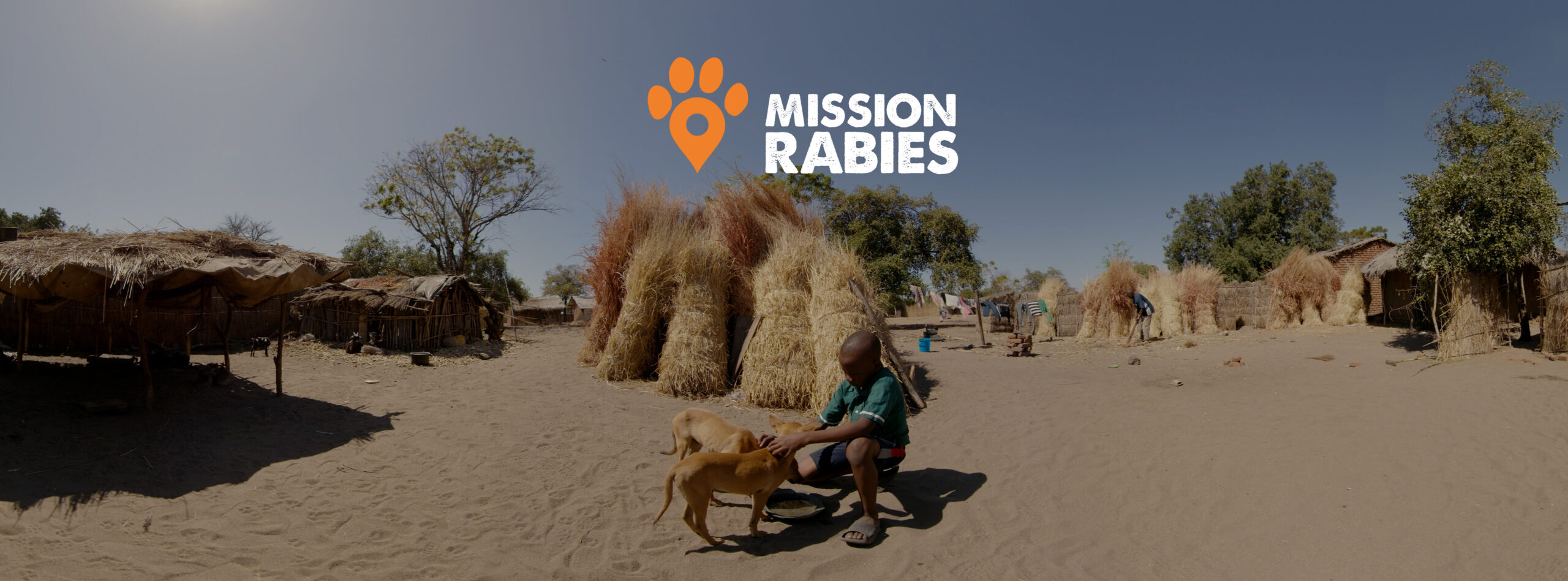
Mission Rabies in Malawi, for Worldwide Veterinary Service
Who we work with
Charities and NGOs / Films that raise funds and change minds
A donor in a headset is standing in the village, the clinic or the camp. That is harder to forget than a slide.
We have filmed in Malawi for Worldwide Veterinary Service, in Lebanon for the Red Cross, in six countries for Médecins Sans Frontières and inside the Chornobyl exclusion zone for the EBRD. We have also made the VR that St John Ambulance uses to teach young people street first aid.
Registered non-profits receive 20% off our rates. And we plan every shoot so that one trip gives you a headset film, an online 360 version and cuts for social.
- 20% offour rates for registered non-profits
- Since 2011Immersive is all we do
- Cannes Goldand Raindance 2026, for Chornobyl 360
- One shootheadset film, online 360 and social cuts
What charities use it for
-
Fundraising events
Headsets at a gala table or a major-donor meeting. One facilitator can start the film on every headset at once and bring the room back together afterwards.
-
Advocacy and policy
Take decision-makers to a place they will never visit. Our Chornobyl film was made to be shown at fundraising events, board meetings and ministerial briefings.
-
Public campaigns
360 on YouTube and Facebook, in a dome at an event, or as an interactive film that asks viewers to make the choices your beneficiaries face.
-
Education and training
VR that teaches a skill as well as telling a story. Seconds to Save shows young people what to do in the moments after a stabbing.
-
Filming in difficult places
Small crews, battery lighting and cameras that fly on drones or ride on vehicles. We have filmed in a decommissioned nuclear plant and in rural Malawi.
-
A film that lasts
We shoot at 12.5K, so the same master can be re-cut and re-delivered as headsets and screens improve.
Work for charities and causes
-
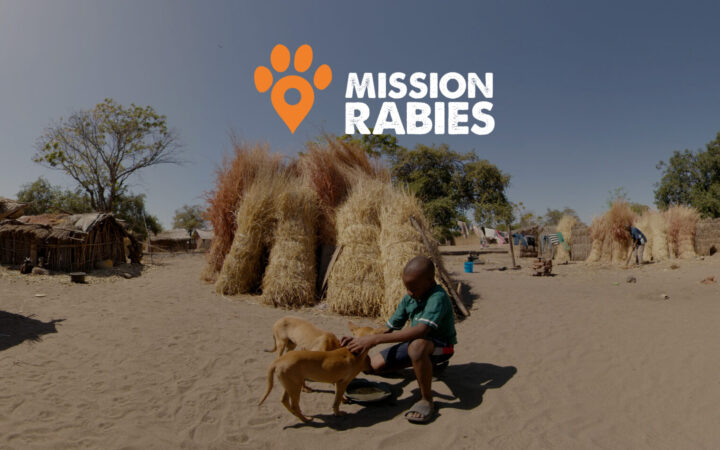 Worldwide Veterinary Service
Mission Rabies
A first-person VR film from Malawi that shows donors what it takes to stop rabies, and why support matters now. View case study
-
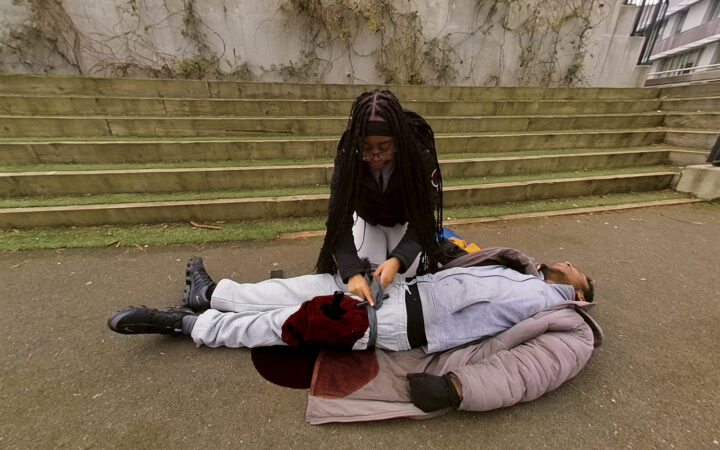 St John Ambulance
Seconds to Save
An interactive VR film that teaches young people street first aid, part of the charity’s Young Responders programme. View case study
-
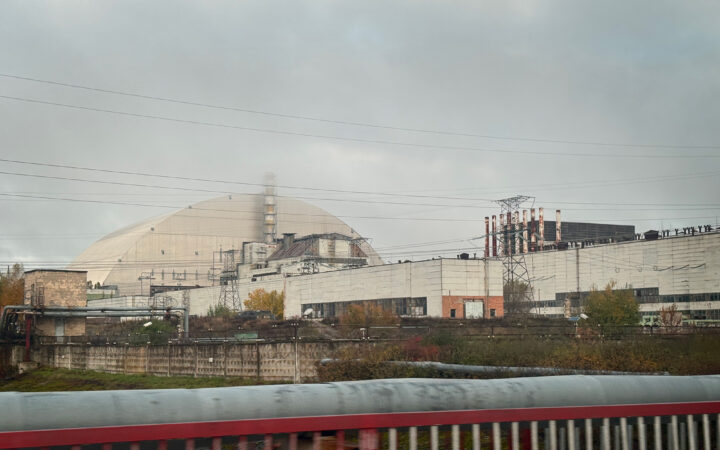 Cannes Gold · Raindance 2026
Chornobyl: 360 Inside the New Safe Confinement
A 360 film that takes donors inside the damaged New Safe Confinement, made for the EBRD’s fundraising for its repair. View case study
-
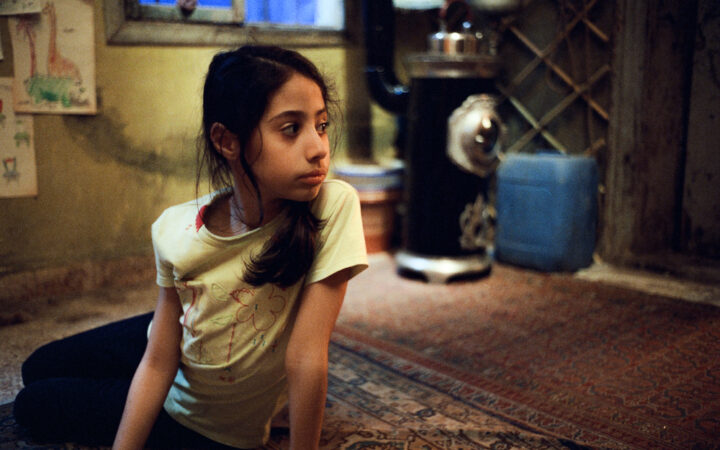 ICRC, funded by Google
The Right Choice, for the Red Cross
An interactive 360 film in which you make the decisions facing a family caught in the war in Syria. View case study
-
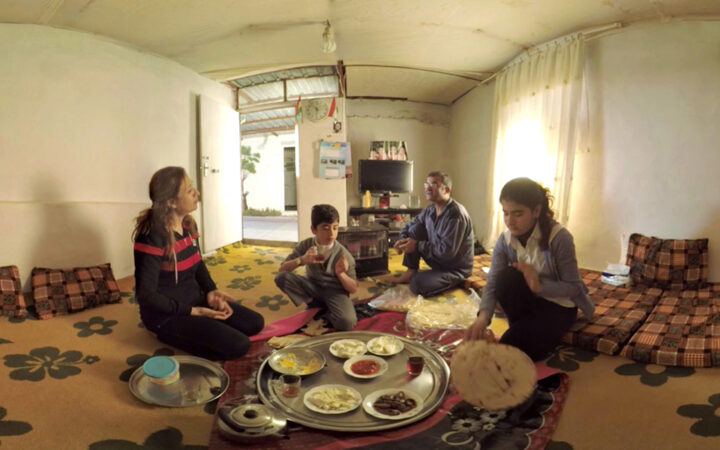 Médecins Sans Frontières
Forced From Home
Six 360 documentaries meeting people forced from their homes, shown in headsets, in a dome and online. View case study
-
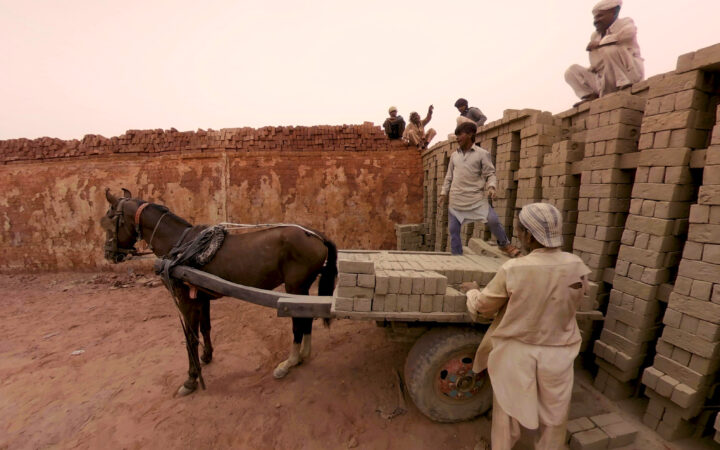 Brooke
The Horses of Pakistan’s Brick Kilns
The working horses of Pakistan’s brick kilns, filmed in 360 for dome projection and headsets. View case study
“Our experience in partnering with Visualise in Malawi was exceptional from start to finish. They were not only superb to work with - reliable, agile, and great company - but they also delivered outcomes beyond what we’d hoped for. They repeatedly went the extra mile to support the charity and worked exceptionally hard to ensure we had a fantastic product at the end. I recommend Visualise without hesitation.”
How a film gets made
Story and audience
Who needs to see this, where, and what should they do next? That decides the format and the length - usually around five minutes.
Plan the shoot
Locations, permissions and risk, planned with your team on the ground.
Film
Most shoots are one to three days, with a small crew and cameras chosen for the place.
Finish and deliver
Stitch, grade and spatial sound, reviewed in a headset. Then versions for headsets, the web and social, with headsets set up if you need them.
What it costs
- 360 filmBefore the 20% non-profit discount. Most charity films are documentary-style, at the lower end
- £10,000 - £100,000
- Interactive VR experienceWhere the viewer makes choices, as in Seconds to Save
- £25,000 - £70,000
- HeadsetsSupplied for an event, or sourced and set up for you to keep
- quoted separately
All excluding VAT. Registered non-profits receive 20% off our rates.
FAQs
Do you offer a charity discount?
Yes. Registered non-profits receive 20% off our rates.
Do donors need a headset to watch it?
No. A headset gives the strongest reaction, but the same film plays as 360 video on YouTube and Facebook and in domes at events, and we cut widescreen and vertical versions for social from the same master.
How long should the film be?
Almost always under ten minutes, and often around five. In 360 the viewer needs time to look around each new place, so we work to roughly one scene every fifteen seconds.
Can you film in remote or difficult places?
Yes. A documentary-style 360 shoot can be done with a very small crew. We have filmed in rural Malawi, across five countries for the EBRD’s film about water, and inside the Chornobyl exclusion zone, where the crew travelled in armoured vehicles.
How do we show it at an event?
We can supply headsets for the day and take them away again, or set up a fleet for you to keep. For groups, our Conductor app lets one person start the film on every headset at the same moment, pause it and see who has finished.
Does VR actually help fundraising?
We cannot promise a number, but we can tell you what clients say. The EBRD describes our Chornobyl film as “a vital part” of its global fundraising for the repair of the New Safe Confinement, because it lets people virtually visit a site they could never go to.
Get in touch
Have a story that needs telling?
Tell us who needs to see it and what you want them to do. We will come back with a plan and a price, with the 20% discount applied.